


Terracotta Tiles for Homes: Costs & Benefits
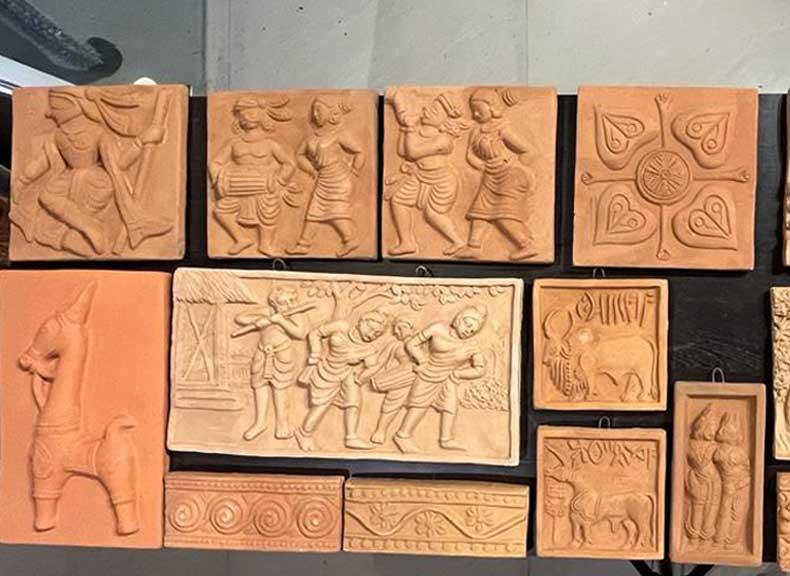
Terracotta Tiles have been used in homes for centuries, and today they remain one of the most beautiful and practical flooring choices available. If you’re considering a natural, warm, and timeless look for your home, terracotta tiles may be exactly what you’re looking for.
In this guide, you’ll learn what terracotta tiles are, how much they cost, their advantages and disadvantages, and whether they’re the right fit for your space. I’ll walk you through everything in a simple, clear way so you can make a confident decision.
What Are Terracotta Tiles?
Terracotta tiles are natural clay tiles that are shaped, dried, and fired in a kiln. The word “terracotta” comes from Italian and means “baked earth.” That’s exactly what these tiles are—earth that has been molded and hardened through heat.
Terracotta is usually reddish-brown or orange because of the iron content in the clay. The color can vary depending on where the clay is sourced and how it’s fired.
How Terracotta Tiles Are Made
The process is surprisingly simple:
- Natural clay is harvested.
- The clay is shaped into tiles.
- Tiles are dried to remove moisture.
- They are fired in a kiln at high temperatures.
- The tiles may be sealed or left unglazed.
Because they are made from natural materials, each tile is slightly unique. This gives floors character and warmth that manufactured tiles often lack.
Where Terracotta Tiles Are Commonly Used
Terracotta tiles are often used in:
- Living rooms
- Kitchens
- Patios and outdoor spaces
- Mediterranean-style homes
- Farmhouses and rustic interiors
They are especially popular in warm climates because of their natural cooling properties.
Why Homeowners Choose Terracotta Tiles
People choose terracotta tiles for one main reason: character. But there’s much more behind their popularity.
1. Natural Beauty
Terracotta has an earthy, organic feel. No two tiles look exactly the same. That variation creates depth and movement across the floor.
If you love natural wood, stone, or organic textures, terracotta fits perfectly with that aesthetic.
2. Timeless Appeal
Terracotta has been used for thousands of years. Ancient Roman homes used terracotta flooring. Mediterranean villas still use it today. It doesn’t go out of style.
Trends change. Terracotta stays.
3. Excellent Durability
When properly installed and sealed, terracotta tiles can last decades. In fact, many historic homes still have original terracotta flooring.
According to general building standards referenced by institutions like the Tile Council of North America (TCNA), properly installed clay tiles can perform for 50 years or more under normal residential conditions.
4. Naturally Cool Surface
Terracotta stays cool underfoot. In warmer climates, this helps regulate indoor temperatures and improves comfort.
Think of it as natural climate control built into your floor.
5. Eco-Friendly Material
Terracotta tiles are made from natural clay and require minimal chemical processing. They are biodegradable and environmentally friendly compared to synthetic flooring materials.
If sustainability matters to you, terracotta is a strong option.
The Costs of Terracotta Tiles for Homes
Cost is one of the first questions homeowners ask. Let’s break it down clearly.
Average Material Costs
On average, terracotta tiles cost:
- $3 to $10 per square foot for standard tiles
- $10 to $20 per square foot for handmade or specialty tiles
The price depends on:
- Quality of clay
- Handmade vs machine-made
- Thickness
- Finish (sealed or unsealed)
Handmade terracotta tends to cost more because of craftsmanship and natural variation.
Installation Costs
Installation typically ranges from:
- $5 to $15 per square foot
Terracotta requires careful installation because:
- Tiles are porous
- They must be sealed properly
- The subfloor must be level
Professional installation is strongly recommended.
Maintenance Costs
Terracotta tiles need sealing. Without sealing, they can absorb water and stains.
You may need to:
- Reseal every 1–3 years
- Use special cleaners
- Avoid harsh chemicals
Maintenance is manageable, but it’s important to plan for it.
Total Project Estimate
For a 300-square-foot room:
- Materials: $900–$3,000
- Installation: $1,500–$4,500
- Total: $2,400–$7,500
These numbers vary by location and labor rates.
Pros and Cons of Terracotta Tiles
Every flooring material has trade-offs. Here’s a balanced look.
Benefits of Terracotta Tiles
Natural appearance Long lifespan Eco-friendly material Adds resale value Great for warm climates Slip-resistant texture
Drawbacks to Consider
Requires sealing Can crack if installed incorrectly Not ideal for very wet areas unless sealed well Can feel hard underfoot Heavier than some flooring types
Terracotta is like a leather jacket. It looks better with age, but it needs care.
How Terracotta Tiles Compare to Other Flooring
Let’s compare them to common alternatives.
Terracotta vs Ceramic Tiles
Ceramic tiles are glazed and less porous. They require less maintenance.
Terracotta is more natural and rustic. It offers warmer tones and a more authentic feel.
If you want low maintenance, ceramic may win. If you want character, terracotta stands out.
Terracotta vs Porcelain
Porcelain is denser and highly water-resistant.
Terracotta is softer and more breathable.
Porcelain works better in bathrooms. Terracotta shines in living spaces.
Terracotta vs Hardwood
Hardwood feels warmer and softer.
Terracotta is more durable in humid environments.
Hardwood scratches. Terracotta chips if heavily impacted.
Each has its place.
Where Terracotta Tiles Work Best in a Home
Terracotta tiles are versatile, but some areas suit them better than others.
Living Rooms
They create a cozy, inviting atmosphere. Add rugs for softness.
Kitchens
They work well but must be sealed carefully to prevent stains from spills.
Entryways
They handle dirt well and add strong visual impact.
Outdoor Patios
Terracotta works beautifully outdoors in mild climates. Ensure frost-resistant tiles in colder regions.
According to general building guidelines from organizations like the American Society for Testing and Materials (ASTM), tile selection should consider freeze-thaw resistance in colder climates.
How to Maintain Terracotta Tiles Properly
Maintenance is simple when done correctly.
Step 1: Seal the Tiles
Sealing prevents moisture absorption. This is critical.
There are two main types:
Penetrating sealers Surface sealers
Penetrating sealers preserve the natural look.
Step 2: Regular Cleaning
Use:
- pH-neutral cleaners
- Soft mop
- Warm water
Avoid vinegar and acidic cleaners.
Step 3: Reseal Periodically
Test by placing a few drops of water on the tile. If it absorbs quickly, resealing is needed.
Common Mistakes to Avoid
Learning from others can save money and stress.
Not Sealing Properly
Unsealed terracotta stains easily.
DIY Installation Without Experience
Uneven subfloors can cause cracking.
Ignoring Climate Conditions
Freeze-thaw cycles can damage non-rated tiles.
Choosing Low-Quality Tiles
Very cheap terracotta may have structural weaknesses.
Always buy from reputable suppliers.
Are Terracotta Tiles Right for You?
Ask yourself:
Do you love natural, earthy aesthetics? Are you okay with occasional resealing? Do you prefer timeless style over ultra-modern shine?
If yes, terracotta tiles could be a perfect fit.
If you want zero maintenance and ultra-sleek design, you may prefer porcelain.
Frequently Asked Questions About Terracotta Tiles
What is the lifespan of terracotta tiles?
Terracotta tiles can last 50 years or more when properly installed and maintained.
Are terracotta tiles waterproof?
No. Terracotta tiles are naturally porous. They must be sealed to resist moisture.
Do terracotta tiles crack easily?
Not easily. However, poor installation or heavy impact can cause cracking.
Are they good for cold climates?
They can be used in cold climates if rated for freeze resistance and installed correctly.
Do terracotta tiles increase home value?
Yes. High-quality natural materials often enhance resale appeal, especially in Mediterranean, rustic, and luxury homes.
Real-World Example: Renovating a Farmhouse Kitchen
A homeowner renovating a farmhouse kitchen wanted warmth and authenticity. Hardwood felt too common. Porcelain felt too polished.
They chose handmade terracotta tiles.
The result?
- Warm, earthy flooring
- Increased visual depth
- A kitchen that felt grounded and inviting
Five years later, the tiles developed a soft patina that enhanced their charm. Regular sealing kept them protected from stains.
This is a perfect example of terracotta aging gracefully.
Design Tips for Styling Terracotta Tiles
Terracotta pairs beautifully with:
- White or cream walls
- Wooden beams
- Wrought iron fixtures
- Linen textiles
- Indoor plants
It also works surprisingly well in modern spaces when paired with minimalist furniture.
Contrast creates balance.
Final Thoughts: Are Terracotta Tiles Worth It?
Terracotta Tiles for Homes offer a powerful combination of natural beauty, durability, and timeless appeal. They are not the cheapest option, and they do require maintenance. But in return, they provide warmth, character, and long-term value.
If you want flooring that tells a story and improves with age, terracotta is an excellent choice.
Before making a decision, evaluate your budget, climate, and maintenance comfort level. Talk to a professional installer. View samples in natural light. Compare finishes.
Your floors set the foundation of your home’s personality. Choose wisely.
If you’re still unsure whether terracotta tiles are right for your home, explore our related flooring guides to compare materials side by side and make the best decision for your space.

 English
 Arabic
 French
 Spanish
 Portuguese
 Deutsch
 Turkish
 Dutch
Dutch
 Italiano
 Romaian
 Portuguese (Brazil)
 Greek
Greek
