


Coal’s Next Chapter in Clean Energy Transition
Introduction
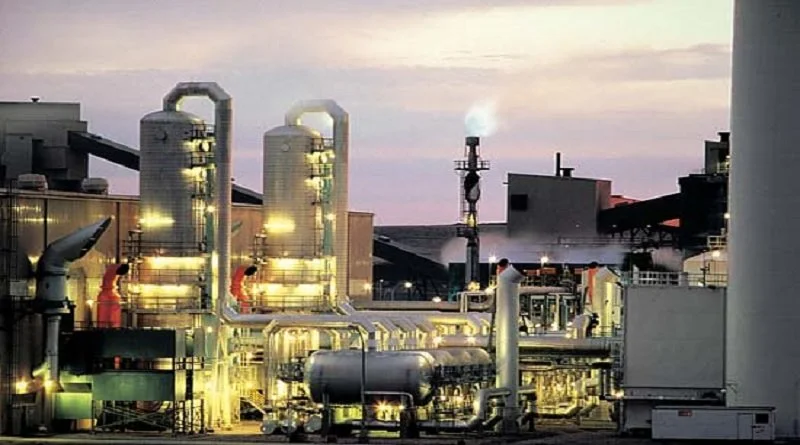
The coal gasification market focuses on technologies that convert coal into synthetic gas (syngas), which can be used for power generation, chemical production, hydrogen generation, and liquid fuel synthesis. Coal gasification offers a cleaner and more efficient way to utilize coal compared to traditional combustion, as it enables removal of impurities and supports carbon capture systems. As global energy systems evolve and industries seek transitional solutions between fossil fuels and cleaner alternatives, coal gasification remains a relevant technology, especially in countries with abundant coal reserves.
Market Drivers
The market is driven by increasing demand for cleaner and more flexible coal utilization. Gasification allows production of syngas that can be used as feedstock for fertilizers, petrochemicals, synthetic natural gas, and hydrogen. Countries with large coal reserves, such as China, India, and the United States, are investing in gasification to reduce dependence on imported fuels. Growing interest in blue hydrogen production using coal gasification with carbon capture technologies is boosting market growth. Industrial sectors such as chemicals, steel, and refining rely on syngas-based processes, further supporting adoption. The push to reduce emissions from coal-based industries makes gasification a viable transitional pathway.
Market Challenges
Despite its advantages, the coal gasification market faces significant challenges. High capital costs and complex plant designs make gasification projects difficult to implement. Environmental concerns persist, especially in regions without carbon capture technology. Water consumption in gasification processes can be high, creating sustainability challenges in water-scarce areas. Regulatory restrictions and global shifts toward renewable energy reduce long-term coal demand. Operational risks, including slagging, corrosion, and equipment reliability, add to maintenance complexity. Financing large-scale gasification plants can also be challenging due to environmental considerations and market uncertainty.
Market Opportunities
The market offers strong opportunities through integration with carbon capture, utilization, and storage (CCUS) technologies, enabling cleaner hydrogen production. The increasing demand for ammonia, methanol, and synthetic fuels creates additional growth avenues for syngas-based industries. Emerging technologies such as underground coal gasification (UCG) and plasma gasification offer new possibilities with lower environmental impact. Developing countries with large coal reserves and growing industrial bases represent long-term market potential. Gasification can also play a role in waste-to-energy solutions when blended with biomass or plastic waste, supporting circular economy initiatives.
Regional Insights
Regional demand for coal gasification varies widely based on coal availability and industrial needs. Asia-Pacific dominates the market, led by China’s extensive gasification projects for chemicals, fuels, and power generation. India is expanding its coal gasification capacity to support fertilizer production and reduce LNG imports. North America shows steady demand driven by chemical manufacturing and emerging hydrogen projects. Europe has limited coal gasification due to strict environmental policies but shows interest in hydrogen-related applications. The Middle East explores gasification for syngas-based industries, while Africa and Latin America represent emerging markets with untapped coal resources.
Future Outlook
The future of the coal gasification market depends on technological innovation and environmental adaptation. Integration with advanced CCUS technology will make gasification cleaner and support growth in blue hydrogen production. Improvements in gasifier design, efficiency, and material durability will reduce operational costs. Hybrid systems combining coal with biomass or waste feedstocks will help reduce the carbon footprint. As industries seek stable feedstocks for chemicals and fuels, coal gasification will remain relevant in specific regions. However, long-term market performance will be influenced by global decarbonization efforts and renewable energy expansion.
Conclusion
The coal gasification market plays an important role in providing cleaner and versatile coal utilization options for power, chemicals, and fuel industries. While challenges related to cost, environment, and policy remain, technological advancements and growing demand for syngas-based products continue to drive interest. As hydrogen and CCUS technologies mature, coal gasification could become a key transitional technology in the shift toward low-carbon energy systems.

 English
 Arabic
 Spanish
 Portuguese
 Deutsch
 Turkish
 Dutch
Dutch
 Italiano
 Russian
 Romaian
 Portuguese (Brazil)
 Greek
Greek
