


Managing the End of the Nuclear Lifecycle
Introduction
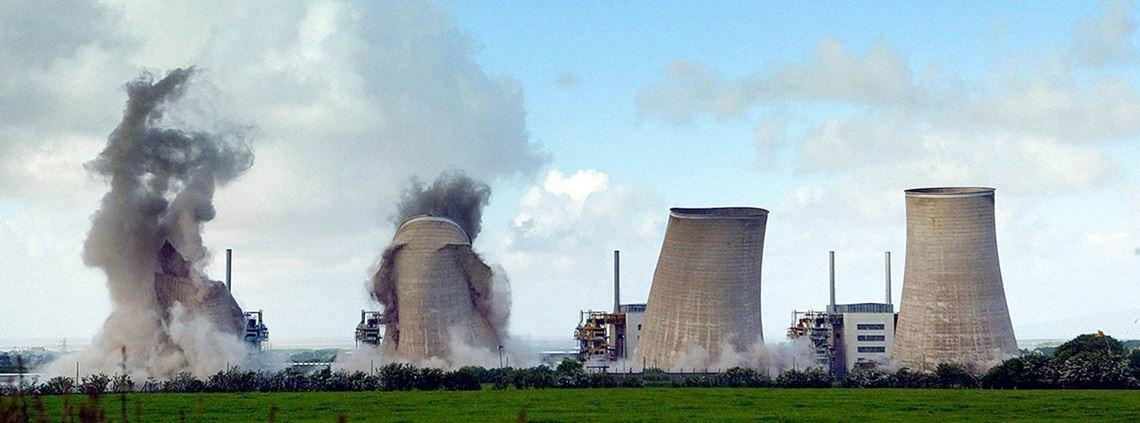
The Nuclear Decommissioning Market focuses on the safe shutdown, dismantling, and cleanup of nuclear power plants, research reactors, and related facilities that have reached the end of their operational life. As nuclear reactors age and governments enforce strict safety and environmental regulations, decommissioning has become a critical phase of the nuclear energy lifecycle. This process involves radioactive waste management, site decontamination, reactor dismantling, and long-term environmental restoration. With hundreds of reactors worldwide approaching retirement over the next two decades, nuclear decommissioning is transforming into a large and highly specialized global industry that requires advanced engineering, strict regulatory compliance, and long-term financial planning.
Market Drivers
One of the strongest drivers of the Nuclear Decommissioning Market is the aging global nuclear fleet. Many reactors in Europe, North America, and parts of Asia were built between the 1970s and 1990s and are now approaching or exceeding their original design life. Governments and nuclear operators are increasingly opting for permanent shutdowns instead of costly life-extension programs, which is creating a steady pipeline of decommissioning projects. Countries such as Germany, Japan, the United Kingdom, and the United States have already announced long-term reactor retirement plans that will require decades of decommissioning activity.
Another important driver is growing regulatory pressure and public safety concerns. Nuclear facilities must comply with stringent radiation, environmental, and worker safety regulations even after shutdown. Regulators require operators to fully dismantle reactors, manage radioactive waste, and return sites to safe conditions, often known as greenfield or brownfield restoration. These legal obligations ensure that decommissioning is not optional but a mandatory and highly regulated process, providing long-term stability for the market.
The rising focus on environmental sustainability is also accelerating decommissioning activity. Governments aim to remove potential radioactive risks and repurpose old nuclear sites for industrial, commercial, or renewable energy use. Decommissioned sites are increasingly being redeveloped for solar farms, industrial parks, or research centers, making cleanup and land restoration economically valuable.
Market Challenges
Despite its necessity, nuclear decommissioning is extremely complex and expensive. One of the major challenges is the high cost involved in dismantling reactors and managing radioactive waste. Decommissioning projects often run into billions of dollars and can take decades to complete, putting financial strain on governments and utilities. Inadequate funding reserves and cost overruns can delay projects and increase political and public scrutiny.
Another challenge is radioactive waste handling and long-term storage. High-level waste, spent nuclear fuel, and contaminated materials require specialized treatment, packaging, and secure disposal. Many countries still lack permanent geological repositories, forcing them to rely on interim storage facilities, which increases logistical and regulatory risks.
Technical complexity also poses a challenge. Decommissioning requires advanced robotics, remote handling systems, and radiation-shielded equipment to safely dismantle highly radioactive components. Skilled labor shortages and the need for specialized expertise further add to operational difficulties.
Market Opportunities
The growing number of reactor shutdowns presents massive opportunities for engineering firms, waste management companies, and technology providers. Advanced decontamination technologies, such as chemical decontamination, laser cutting, and robotic dismantling, are increasingly in demand to improve safety and efficiency. Companies that can offer innovative solutions to reduce radiation exposure and project timelines stand to gain a competitive advantage.
There is also a significant opportunity in nuclear waste processing and recycling. Technologies that can reduce waste volume, stabilize radioactive materials, or recover reusable components are becoming more valuable as storage capacity becomes constrained. Digital project management, radiation monitoring systems, and AI-driven inspection tools further enhance safety and cost control, creating new business avenues.
Emerging nuclear markets in Asia and Eastern Europe are expected to require decommissioning services in the future as their first-generation reactors reach retirement, ensuring long-term demand beyond current projects in Western countries.
Regional Insights
Europe leads the Nuclear Decommissioning Market due to aggressive nuclear phase-out policies in countries such as Germany, Italy, and Spain, along with aging reactor fleets in the United Kingdom and France. Large-scale decommissioning programs and strong regulatory frameworks make Europe a highly active and mature market.
North America, particularly the United States, also represents a significant market, with many commercial reactors scheduled for retirement over the next two decades. The presence of specialized decommissioning firms and federal waste management programs supports market growth.
Asia-Pacific is an emerging hotspot, driven by reactor shutdowns in Japan following the Fukushima disaster and future retirements in South Korea and Taiwan. While China continues to build new reactors, older units will eventually add to regional decommissioning demand.
Other regions, including parts of Eastern Europe and Latin America, are gradually entering the market as their nuclear infrastructure matures.
Future Outlook
The Nuclear Decommissioning Market is expected to expand steadily as more reactors reach the end of their service life. Long-term government commitments, environmental priorities, and safety regulations will ensure continuous project pipelines. Technological advancements in robotics, waste processing, and digital monitoring will improve efficiency and reduce risks, making decommissioning safer and more predictable.
Public acceptance of nuclear energy will also influence future decommissioning trends. Even as some countries invest in new nuclear plants, older and less efficient reactors will still require retirement, keeping the market active. With growing international collaboration and standardization of best practices, nuclear decommissioning will become more streamlined and globally coordinated.
Conclusion
The Nuclear Decommissioning Market is a critical part of the nuclear energy ecosystem, ensuring that aging and shutdown reactors are dismantled safely and responsibly. While high costs, technical complexity, and waste management challenges remain, the market benefits from strong regulatory support and a growing need for environmental restoration. As global nuclear fleets age and sustainability goals rise, nuclear decommissioning will continue to be a long-term, high-value industry with strong demand for specialized expertise and advanced technologies.

 English
 Arabic
 French
 Spanish
 Portuguese
 Deutsch
 Turkish
 Dutch
Dutch
 Italiano
 Romaian
 Portuguese (Brazil)
 Greek
Greek
