


Automotive Filters Market Trends and Emerging Opportunities
Introduction
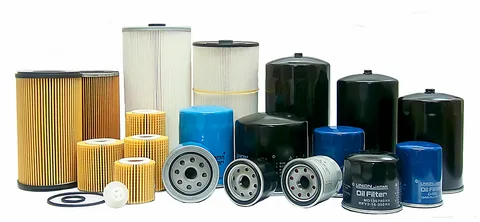
The automotive filters market is a fundamental segment of the global automotive components and maintenance industry, focused on systems that protect engines, passengers, and vehicle components from contaminants. Automotive filters include air filters, oil filters, fuel filters, cabin air filters, and transmission filters, each playing a critical role in maintaining vehicle performance, efficiency, and durability. By preventing dust, dirt, debris, and impurities from entering sensitive systems, filters help extend component life and ensure reliable vehicle operation.
As vehicles become more efficient, technologically advanced, and emission-regulated, the importance of effective filtration has increased. Automotive filters are essential not only for engine protection but also for improving air quality inside the vehicle cabin and supporting emission control systems. Rising global vehicle production, strong aftermarket demand, and increasing awareness of maintenance and air quality are driving steady growth in the global automotive filters market.
Market Drivers
One of the primary drivers of the automotive filters market is the continued growth of the global vehicle parc. As the number of vehicles on the road increases, demand for regular filter replacement rises accordingly. Automotive filters are consumable components with defined service intervals, making the aftermarket a major contributor to overall market revenue.
Stringent emission and fuel efficiency regulations are another key driver. Clean air and fuel supply are essential for optimal combustion and reduced emissions. Advanced engine designs require high-performance filtration to protect sensitive fuel injection systems and turbochargers, increasing demand for efficient and durable filters.
Growing consumer awareness of cabin air quality also supports market growth. Cabin air filters help remove pollen, dust, exhaust particles, and harmful gases, improving passenger comfort and health. Rising concerns about air pollution, particularly in urban areas, are driving increased adoption of high-efficiency and activated carbon cabin filters.
Market Challenges
Despite steady demand, the automotive filters market faces several challenges. Price competition is a major concern, especially in the aftermarket. The presence of low-cost and counterfeit products can impact brand reputation, quality perception, and profit margins for established manufacturers.
Performance consistency and material quality also pose challenges. Filters must maintain efficiency under varying operating conditions, including high temperatures, pressure fluctuations, and exposure to contaminants. Ensuring consistent filtration performance over the service life requires advanced materials and precise manufacturing processes.
The gradual shift toward electric vehicles presents a long-term challenge for certain filter segments. Fully electric vehicles do not require oil or fuel filters, which may limit demand growth for these categories over time. However, other filter types, such as cabin air and thermal management filters, remain relevant.
Market Opportunities
Technological advancements present significant opportunities for the automotive filters market. Development of high-efficiency synthetic media, nanofiber materials, and multi-layer filtration technologies is improving contaminant capture while reducing airflow resistance. These innovations enhance engine performance and fuel efficiency.
The growth of hybrid vehicles offers another major opportunity. Hybrid powertrains still rely on internal combustion engines and require air, oil, and fuel filters. Increasing adoption of hybrids supports sustained demand for engine-related filtration products during the transition to electrification.
Emerging markets represent strong long-term growth potential. Rising vehicle ownership, expanding middle-class populations, and increasing awareness of vehicle maintenance in developing regions are driving demand for both OEM and aftermarket filters. Localization of manufacturing and distribution will further support market expansion in these regions.
Regional Insights
Asia-Pacific holds a leading share of the automotive filters market due to high vehicle production volumes and a large aftermarket base. Countries such as China, India, and Japan contribute significantly, supported by growing vehicle fleets and rising maintenance awareness.
Europe represents another important market, driven by strict emission standards and strong focus on engine efficiency and air quality. Adoption of advanced filtration technologies is particularly high in the region, supporting demand for premium filter products.
North America also contributes substantially to the market, supported by a large vehicle parc and strong aftermarket replacement demand. Consumer preference for regular vehicle maintenance and high-quality components supports steady market growth.
Future Outlook
The future of the automotive filters market is closely linked to trends in emission regulation, air quality awareness, and powertrain evolution. Filters are expected to become more efficient, durable, and environmentally friendly, with increased use of recyclable and sustainable materials. Smart filters with condition monitoring capabilities may also emerge, enabling predictive maintenance.
While electric vehicle adoption will gradually reshape demand patterns, overall market growth will remain stable due to strong aftermarket demand and continued use of ICE and hybrid vehicles. Long-term prospects are supported by innovation in filtration media, cabin air quality focus, and expanding vehicle populations worldwide.
Conclusion
The automotive filters market is a critical component of vehicle performance, durability, and passenger comfort. Driven by growing vehicle populations, strict emission standards, and strong aftermarket demand, the market continues to expand steadily worldwide. Although challenges related to price competition and electrification exist, opportunities in advanced filtration technologies, hybrid vehicles, and emerging markets are strengthening long-term prospects. As vehicle maintenance and air quality remain priorities, automotive filters will continue to play an essential role in the global automotive ecosystem.

 English
 Arabic
 Spanish
 Portuguese
 Deutsch
 Turkish
 Dutch
Dutch
 Italiano
 Russian
 Romaian
 Portuguese (Brazil)
 Greek
Greek
