


Spot Weld Aluminium: Advanced Techniques for Modern Manufacturing
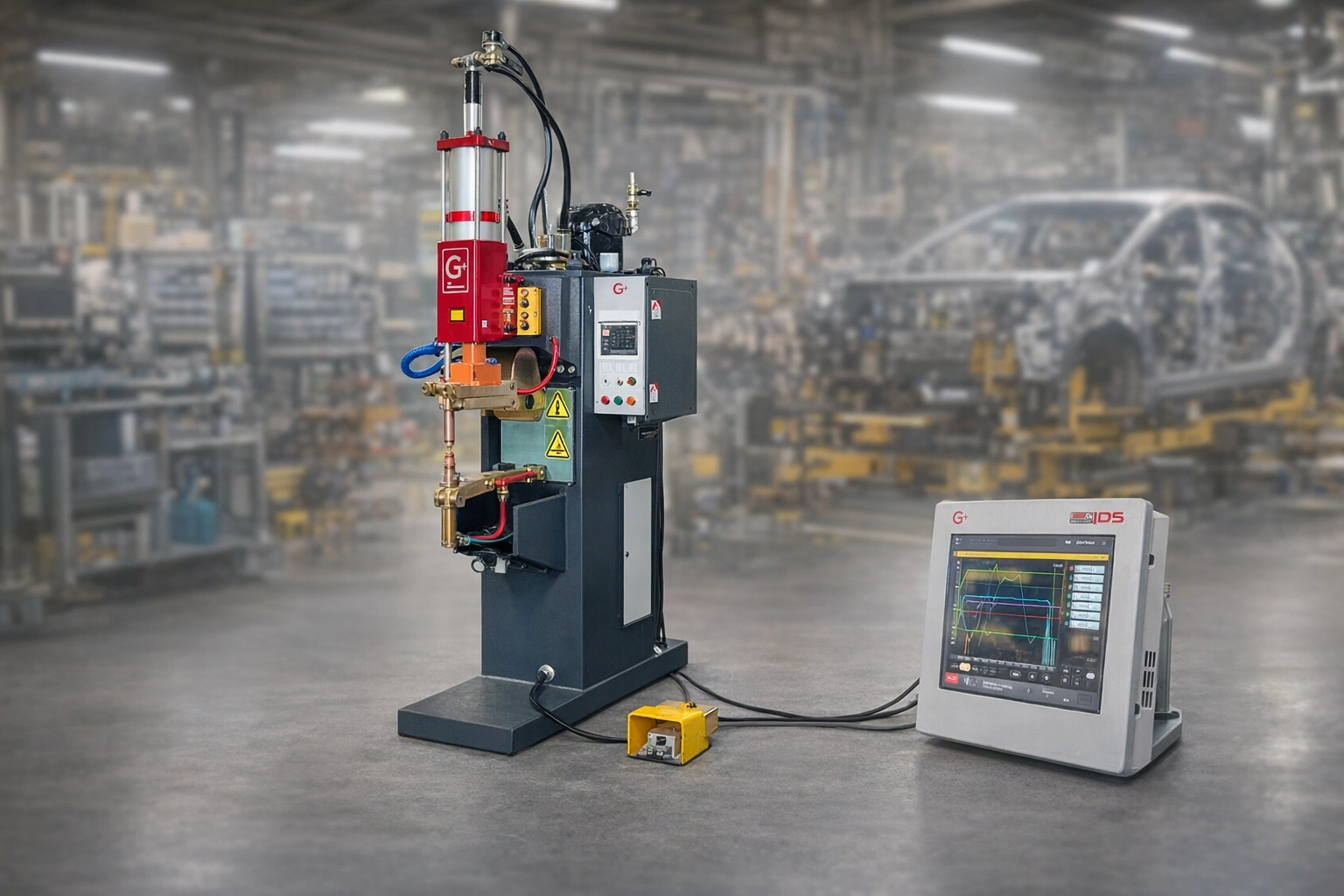
In today’s competitive manufacturing environment, joining lightweight materials like aluminium efficiently and reliably is crucial. Spot welding aluminium has emerged as a preferred technique for automotive, aerospace, and industrial applications, offering high-speed production and strong, consistent joints. For engineers, OEMs, and automation integrators, understanding the principles, challenges, and best practices of aluminium spot welding is essential to optimize productivity and maintain structural integrity.
Heron Welder, a global leader in industrial welding and metal-joining solutions, provides advanced resistance welding machines, automated production lines, and engineering expertise tailored to aluminium fabrication needs.
Understanding Spot Welding Aluminium
Spot welding is a form of resistance welding where two metal sheets are joined by applying pressure and passing a high electric current through the contact point. The resistance generates heat, melting the metal locally to form a strong weld nugget. While spot welding steel is straightforward, aluminium presents unique challenges due to its high thermal conductivity and oxide layer formation.
Aluminium conducts heat and electricity more efficiently than steel, which means it requires higher current and precise control to achieve a quality weld. Heron’s MFDC (Medium-Frequency Direct Current) and capacitor discharge spot welding systems are engineered to handle these challenges, ensuring consistent weld quality even in high-volume production environments.
Key Applications of Aluminium Spot Welding
Aluminium spot welding is widely used in industries where lightweight yet strong joints are critical. Common applications include:
-
Automotive manufacturing – chassis, body panels, battery enclosures for electric vehicles
-
Aerospace components – fuselage panels, interior structures, lightweight frames
-
Consumer electronics – housings, heat sinks, and internal frames
-
Industrial machinery – aluminium frames, tanks, and enclosures
By using precision-controlled welding machines, manufacturers can reduce material distortion, maintain corrosion resistance, and increase overall production efficiency.
Advantages of Spot Welding Aluminium
Spot welding aluminium offers several benefits over other joining techniques:
-
High-Speed Production – Spot welding can be completed in fractions of a second, ideal for automated lines.
-
Consistent Quality – Advanced resistance welders from Heron provide repeatable welds with minimal operator intervention.
-
Material Efficiency – Unlike mechanical fasteners, spot welding requires no additional materials, reducing cost and weight.
-
Integration with Automation – Heron’s automated welding systems allow easy integration into robotic assembly lines, enhancing productivity.
Challenges and Solutions
Aluminium welding comes with unique challenges:
-
Oxide Layer – Aluminium naturally forms a tough oxide layer that can prevent proper fusion. Heron’s machines use precise electrode force and current control to penetrate this layer without damaging the base metal.
-
High Thermal Conductivity – Rapid heat dissipation requires higher energy and optimized welding cycles. MFDC and capacitor discharge welders adjust pulse timing and intensity for consistent results.
-
Electrode Wear – Aluminium tends to adhere to copper electrodes. Heron’s specially designed electrodes minimize sticking and maintain long-term performance.
By addressing these challenges with advanced equipment and process expertise, manufacturers can achieve reliable aluminium spot welds suitable for critical applications.
Best Practices for Aluminium Spot Welding
To maximize quality and efficiency, consider these best practices:
-
Use Proper Machine Settings – Adjust current, pressure, and weld time according to aluminium thickness and alloy type.
-
Electrode Maintenance – Regularly clean and shape electrodes to prevent sticking and ensure consistent heat transfer.
-
Material Preparation – Remove contaminants, oils, and loose oxide layers before welding.
-
Monitor Weld Nugget Size – Ensure proper penetration without excessive distortion or burn-through.
-
Integrate Automation – Robotic arms with programmable weld schedules reduce human error and improve throughput.
Heron Welder supports manufacturers with both equipment and process guidance, ensuring that these best practices are applied for optimal results.
Spot Welding Aluminium vs. Steel
While both processes rely on resistance welding principles, aluminium welding requires:
| Factor | Aluminium | Steel |
|---|---|---|
| Electrical Conductivity | High (requires higher current) | Lower (easier to heat) |
| Thermal Conductivity | High (fast heat loss) | Moderate |
| Electrode Life | Shorter (prone to sticking) | Longer |
| Heat Control | Critical (to prevent burn-through) | Less critical |
Heron’s advanced MFDC spot welders are specifically designed to handle these differences, providing reliable results for aluminium-intensive production lines.
FAQs: Spot Weld Aluminium
1. Can aluminium alloys be spot welded effectively?
Yes, most aluminium alloys can be spot welded with proper machine settings, electrode design, and process control.
2. What types of welding machines are best for aluminium?
MFDC and capacitor discharge spot welders are ideal, offering precise current control and rapid heat generation.
3. How do I prevent aluminium from sticking to electrodes?
Using specially designed copper electrodes with anti-stick coatings and maintaining proper pressure and current settings minimizes sticking.
4. Can spot welding aluminium be automated?
Absolutely. Robotic spot welding systems can integrate seamlessly into production lines, ensuring consistent weld quality at high volumes.
5. What industries benefit most from aluminium spot welding?
Automotive, aerospace, consumer electronics, and industrial machinery sectors see the greatest advantages due to aluminium’s lightweight and corrosion-resistant properties.
Partner with Heron for Aluminium Spot Welding Solutions
Manufacturers looking to optimize aluminium spot welding processes need precision, reliability, and expertise. Heron Welder provides state-of-the-art resistance welding machines, automated production systems, and process consultation tailored to aluminium-intensive applications.
Whether upgrading existing lines or designing new production cells, Heron’s solutions help OEMs, automation integrators, and factory decision-makers achieve higher productivity, consistent weld quality, and reduced operational costs.
Request a quote today or consult our engineering team to explore customized spot welding and automation solutions for your aluminium manufacturing projects.

 English
 French
 Spanish
 Portuguese
 Deutsch
 Turkish
 Dutch
Dutch
 Italiano
 Russian
 Romaian
 Portuguese (Brazil)
 Greek
Greek
