


Lead Acid Batteries Driving Energy Storage Solutions
Introduction
The Lead Acid Battery Market encompasses the production, distribution, and utilization of lead-acid batteries for automotive, industrial, and renewable energy storage applications. Despite the rise of lithium-ion and other advanced battery technologies, lead-acid batteries remain widely used due to their cost-effectiveness, reliability, recyclability, and established manufacturing infrastructure. The market is witnessing steady growth driven by demand from the automotive sector for starter batteries, backup power systems for telecom and data centers, and renewable energy storage solutions. Supportive government policies promoting energy storage and growing investments in renewable energy projects are key factors boosting market adoption globally.
Understanding the Market
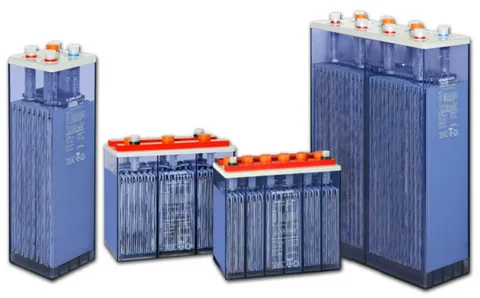
Lead-acid batteries are categorized into flooded (wet) and valve-regulated lead-acid (VRLA) batteries. Flooded batteries are common in automotive and industrial applications due to their robustness and cost efficiency, whereas VRLA batteries, including Absorbent Glass Mat (AGM) and Gel types, are preferred in renewable energy storage and uninterruptible power supply (UPS) systems due to maintenance-free operation. The automotive segment, which includes starter, lighting, and ignition (SLI) batteries, dominates the market. Industrial applications include backup power, grid storage, forklifts, and traction batteries. Geographically, Asia-Pacific leads in production and consumption, followed by North America and Europe, while emerging markets in Africa and Latin America are witnessing increasing adoption due to electrification initiatives.
Technological Innovations
Technological developments in lead-acid batteries focus on enhancing energy density, extending cycle life, and improving safety and efficiency. Advanced VRLA designs with optimized plate compositions and separator technologies increase battery performance and lifespan. Innovations in battery recycling technology, including closed-loop processes, improve lead recovery rates and reduce environmental impact. Integration with renewable energy systems, hybrid energy storage solutions, and smart battery management systems (BMS) enhances operational efficiency, making lead-acid batteries compatible with modern energy storage demands. Manufacturers are also investing in lightweight designs and enhanced thermal management to expand applications in electric mobility and grid storage.
Market Growth and Future Outlook
The Lead Acid Battery Market is expected to experience steady growth over the forecast period. Increasing vehicle production, rising demand for backup power in telecom, healthcare, and data centers, and the expansion of off-grid and renewable energy storage systems are driving growth. The market is also benefiting from the recyclability of lead-acid batteries, reducing the overall environmental footprint and ensuring a sustainable supply of raw materials. Future prospects include hybrid storage solutions combining lead-acid and lithium-ion batteries, grid-scale storage for renewable energy integration, and adoption in emerging markets to support electrification and energy access initiatives.
Challenges and Opportunities
Challenges in the lead-acid battery market include competition from lithium-ion and other advanced battery technologies, limited energy density compared to modern alternatives, and regulatory constraints related to lead handling and disposal. Opportunities lie in emerging markets with growing energy storage requirements, automotive and industrial applications in developing regions, and recycling initiatives that provide sustainable lead sourcing. Technological improvements, cost efficiency, and environmental compliance create favorable conditions for expanding market share, particularly in applications where reliability and low cost remain critical.
Conclusion
The Lead Acid Battery Market continues to be a vital segment in the global energy storage landscape, combining cost-effectiveness, reliability, and sustainability. Technological advancements, growing demand for backup power and renewable energy storage, and increasing production capacity in emerging markets ensure continued growth. Despite competition from newer battery technologies, lead-acid batteries remain a preferred choice for many industrial, automotive, and energy storage applications worldwide.

 English
 Arabic
 French
 Portuguese
 Deutsch
 Turkish
 Dutch
Dutch
 Italiano
 Russian
 Romaian
 Portuguese (Brazil)
 Greek
Greek
