


Germany Green Steel Industry: Market Size, Share and Competitive Landscape
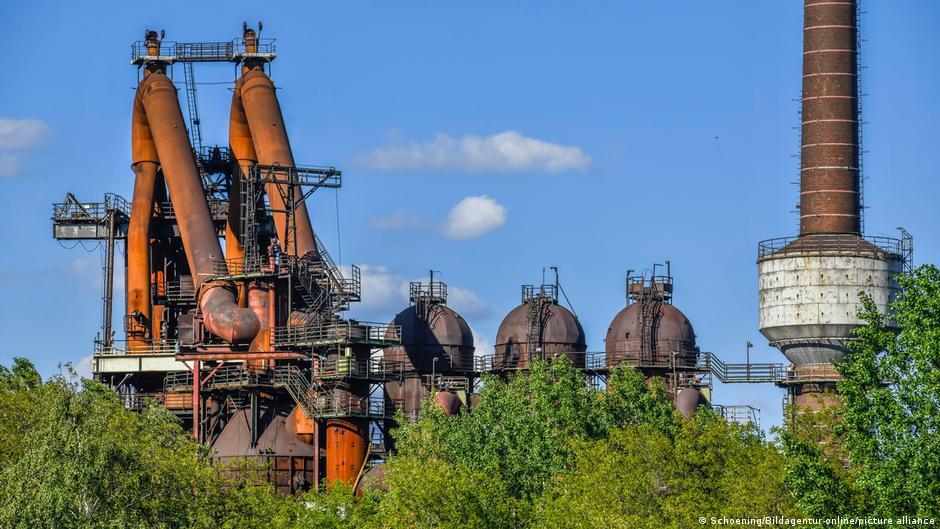
Germany has long been one of the world’s leading steel producers, supported by a strong industrial base and advanced manufacturing capabilities. However, traditional steel production methods are highly energy-intensive and generate significant carbon emissions. As governments and industries aim to reduce environmental impact and meet climate targets, the development of green steel has become a critical focus for Germany’s industrial transformation. Green steel refers to steel produced using low-carbon technologies such as hydrogen-based reduction, renewable electricity, and electric arc furnaces that minimize greenhouse gas emissions.
The Germany Green Steel Market is gaining momentum as manufacturers adopt sustainable production technologies to reduce carbon emissions from steelmaking. The market is projected to expand significantly in the coming years, growing from approximately USD 218 million in 2024 to nearly USD 6.33 billion by 2035 as industries invest in low-carbon steel production methods. This growth reflects the increasing demand for sustainable materials across sectors such as construction, automotive manufacturing, and energy infrastructure.
One of the primary drivers of the market is the European Union’s commitment to climate neutrality. Steel production is responsible for a large share of industrial carbon emissions, and reducing these emissions is essential for meeting long-term climate targets. Germany’s steel manufacturers are therefore investing heavily in hydrogen-based steelmaking technologies, which replace coal with green hydrogen to significantly reduce emissions during the steel production process.
The automotive sector is expected to play a major role in driving demand for green steel. Germany is home to some of the world’s largest automobile manufacturers, and many companies are pursuing carbon-neutral vehicle production strategies. Using low-emission steel in vehicle manufacturing allows automakers to reduce the environmental footprint of their supply chains while meeting sustainability goals and regulatory requirements.
Technological innovation is also shaping the development of the industry. Companies are experimenting with advanced steel production technologies such as direct reduced iron (DRI) using hydrogen, molten oxide electrolysis, and electric arc furnace processes powered by renewable energy. These technologies significantly reduce carbon emissions compared with conventional blast furnace steelmaking methods.
The Germany green steel industry trends highlight increasing investment in hydrogen infrastructure and renewable energy systems. Hydrogen-based reduction methods are expected to become one of the dominant production technologies because they allow steel producers to drastically reduce carbon emissions while maintaining production efficiency.
Another important factor supporting market growth is the increasing demand for sustainable construction materials. Infrastructure developers and construction companies are increasingly adopting green steel to meet environmental standards and certification requirements for sustainable buildings. This trend is expected to strengthen as governments implement stricter carbon reduction policies in the construction industry.
However, the transition toward green steel production also presents several challenges. Producing green hydrogen and developing large-scale renewable energy infrastructure require substantial investment. Additionally, high energy costs and supply chain constraints may slow down the adoption of new steelmaking technologies.
Overall, the Germany green steel market is expected to grow significantly as industries transition toward sustainable production methods. With strong government support, technological innovation, and increasing demand for low-carbon materials, green steel is likely to become a key component of Germany’s future industrial landscape.

 English
 Arabic
 French
 Spanish
 Portuguese
 Deutsch
 Turkish
 Dutch
Dutch
 Italiano
 Russian
 Romaian
 Portuguese (Brazil)
