


Struggling with Siloed Data? Enterprise Application Integration Has the Answer
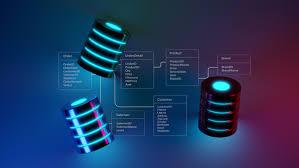
In today's digital-first business environment, data is everywhere. Sales teams use CRMs, HR manages payroll systems, finance operates accounting platforms, marketing relies on automation tools, and operations depend on ERPs. While each system serves a purpose, many organizations face a common and costly problem: siloed data.
When systems don't communicate effectively, data becomes fragmented. Teams operate with incomplete information, decision-making slows down, and customer experiences suffer. If this sounds familiar, you're not alone.
The good news? Enterprise application integration offers a powerful solution. With the right strategy—and the right partner providing enterprise application development services —businesses can eliminate silos, streamline workflows, and unlock the true value of their data.
Let's explore how.
What Is Siloed Data—and Why Is It a Problem?
Siloed data occurs when information is isolated within separate systems or departments, making it difficult to share, analyze, or use collectively.
For example:
- Your CRM contains customer interactions.
- Your billing system holds payment history.
- Your support platform stores service tickets.
- Your marketing software tracks campaign engagement.
If these systems don’t integrate, your teams lack a unified customer view.
The Consequences of Data Silos
- Inefficient Operations
Employees manually transfer data between systems, increasing errors and wasting time. - Poor Decision-Making
Leadership relies on incomplete or outdated reports. - Inconsistent Customer Experience
Customers repeat information across departments. - Limited Scalability
As your organization grows, disconnected systems become harder to manage.
In short, siloed data slows innovation and reduces competitiveness.
What Is Enterprise Application Integration?
Enterprise Application Integration (EAI) connects different software systems across an organization so they can share data and processes seamlessly.
Instead of operating independently, applications communicate through APIs, middleware, or cloud-based integration platforms. This creates a unified ecosystem where data flows securely and efficiently.
Organizations that invest in enterprise application development services can design customized integration frameworks tailored to their specific infrastructure, industry, and growth plans.
The Business Benefits of Enterprise Application Integration
1. Unified Data Across Departments
Integration ensures that all departments work from a single source of truth.
When marketing updates customer information, sales sees it instantly. When finance processes a payment, support teams can view the transaction history. Real-time synchronization reduces confusion and improves collaboration.
2. Improved Operational Efficiency
Manual data entry is one of the biggest productivity drains in modern businesses. Integration automates data exchange between systems.
For example:
- Orders placed online automatically update inventory.
- Customer inquiries trigger workflow automation.
- Payroll systems sync with attendance tracking.
This reduces errors and frees employees to focus on strategic tasks.
3. Enhanced Customer Experience
Today’s customers expect seamless interactions. They don’t want to repeat their information every time they contact your business.
Integrated systems allow:
- Personalized communication
- Faster response times
- Accurate order tracking
- Streamlined billing
When your technology ecosystem works together, your customer experience improves dramatically.
4. Better Decision-Making with Real-Time Insights
Disconnected systems produce fragmented analytics. Integrated systems enable centralized dashboards with comprehensive reporting.
Leadership can analyze:
- Sales performance
- Operational bottlenecks
- Customer retention trends
- Financial metrics
With accurate, real-time data, businesses make smarter strategic decisions.
5. Scalability for Future Growth
As organizations expand, they adopt new tools and platforms. Without integration, each new system creates another silo.
A robust integration strategy—developed through professional enterprise application development services—ensures that future technologies can connect seamlessly.
Scalability becomes part of your digital foundation rather than an afterthought.
Common Integration Approaches
Enterprise application integration can take several forms depending on business needs:
API-Based Integration
Applications communicate directly through secure APIs. This approach is flexible and scalable.
Middleware Integration
A centralized platform acts as a bridge between systems, managing communication and data flow.
Cloud Integration Platforms
Cloud-based tools allow businesses to integrate SaaS applications efficiently.
Microservices Architecture
Modern enterprises break applications into smaller services that communicate independently.
The right approach depends on your existing infrastructure and long-term goals.
Why Custom Integration Matters
Every enterprise has unique workflows, compliance requirements, and technology stacks. Off-the-shelf integration tools may not fully address your needs.
That’s where tailored enterprise application development services make a difference. Experienced developers assess your ecosystem, identify bottlenecks, and design integration solutions aligned with your business strategy.
Customization ensures:
- Secure data transfer
- Regulatory compliance
- Optimal system performance
- Long-term adaptability
The Role of Modern Front-End Technologies
While integration focuses heavily on backend connectivity, the user experience matters just as much.
When businesses integrate systems, they often need new dashboards or unified platforms for employees and customers. This is where modern frameworks like React play a crucial role.
Many companies choose to hire best React app developers to build responsive, dynamic, and scalable user interfaces that sit on top of integrated systems.
React enables:
- Real-time data updates
- Fast loading speeds
- Interactive dashboards
- Cross-platform compatibility
The combination of strong backend integration and powerful frontend design creates a seamless digital experience.
Real-World Scenario: From Chaos to Clarity
Imagine a mid-sized eCommerce company struggling with disconnected systems.
- Marketing tools don’t sync with CRM.
- Inventory doesn’t update in real time.
- Customer service lacks purchase history access.
- Finance manually reconciles data weekly.
The result? Delays, frustrated customers, and lost revenue.
By partnering with a team offering expert enterprise application development services, the company integrates its CRM, ERP, inventory, and marketing platforms.
They also hire best React app developers to build a unified operations dashboard.
After implementation:
- Order processing time drops by 35%.
- Customer response time improves by 40%.
- Reporting accuracy increases significantly.
- Revenue grows due to improved operational efficiency.
Integration transforms the business.
Security Considerations in Enterprise Integration
When connecting multiple systems, security must remain a top priority.
Professional integration strategies include:
- End-to-end encryption
- Role-based access controls
- Secure API gateways
- Continuous monitoring
- Compliance alignment (GDPR, SOC 2, etc.)
Choosing experienced providers ensures that integration strengthens your infrastructure rather than introducing vulnerabilities.
Signs Your Business Needs Integration Now
If you’re experiencing any of the following, it’s time to act:
- Employees manually copy data between systems.
- Reports take days to compile.
- Customers complain about inconsistent communication.
- Your tech stack has grown without a unified strategy.
- Scaling operations feels increasingly complex.
Ignoring data silos only makes the problem worse over time.
Choosing the Right Integration Partner
Enterprise integration is not just a technical project—it’s a strategic transformation. Selecting the right partner matters.
Look for teams that:
- Demonstrate experience in enterprise application development services
- Understand cloud infrastructure and API design
- Prioritize security and compliance
- Offer frontend expertise if you need dashboards
- Provide ongoing support and optimization
If your project includes building modern web platforms, you may also need to hire best React app developers who can translate integrated data into intuitive user interfaces.
Experience, transparency, and technical depth are key indicators of a reliable partner.
Overcoming Common Integration Challenges
Legacy Systems
Older software may not support modern APIs. Skilled developers can build custom connectors or migration pathways.
Data Inconsistency
Different systems may store data in varying formats. Data mapping and normalization strategies resolve this issue.
Organizational Resistance
Employees may resist change. Clear communication and training are critical to successful implementation.
Budget Concerns
While integration requires investment, the long-term efficiency gains often outweigh the upfront cost.
The Future of Enterprise Integration
Enterprise ecosystems are becoming more complex with AI, IoT, and cloud-native platforms.
Future-ready integration strategies will focus on:
- Event-driven architectures
- Real-time streaming data
- Intelligent automation
- Low-code integration tools
- Enhanced cybersecurity frameworks
Businesses that prioritize integration today position themselves for innovation tomorrow.
Final Thoughts
Siloed data is more than an inconvenience—it’s a barrier to growth, innovation, and customer satisfaction.
Enterprise application integration provides a powerful solution by connecting systems, automating workflows, and delivering unified insights. With professional enterprise application development services, organizations can build secure, scalable ecosystems tailored to their needs.

 English
 Arabic
 French
 Portuguese
 Deutsch
 Turkish
 Dutch
Dutch
 Italiano
 Russian
 Romaian
 Portuguese (Brazil)
 Greek
Greek
