


Expert Embroidery Digitizing Services for Flawless Thread Flow
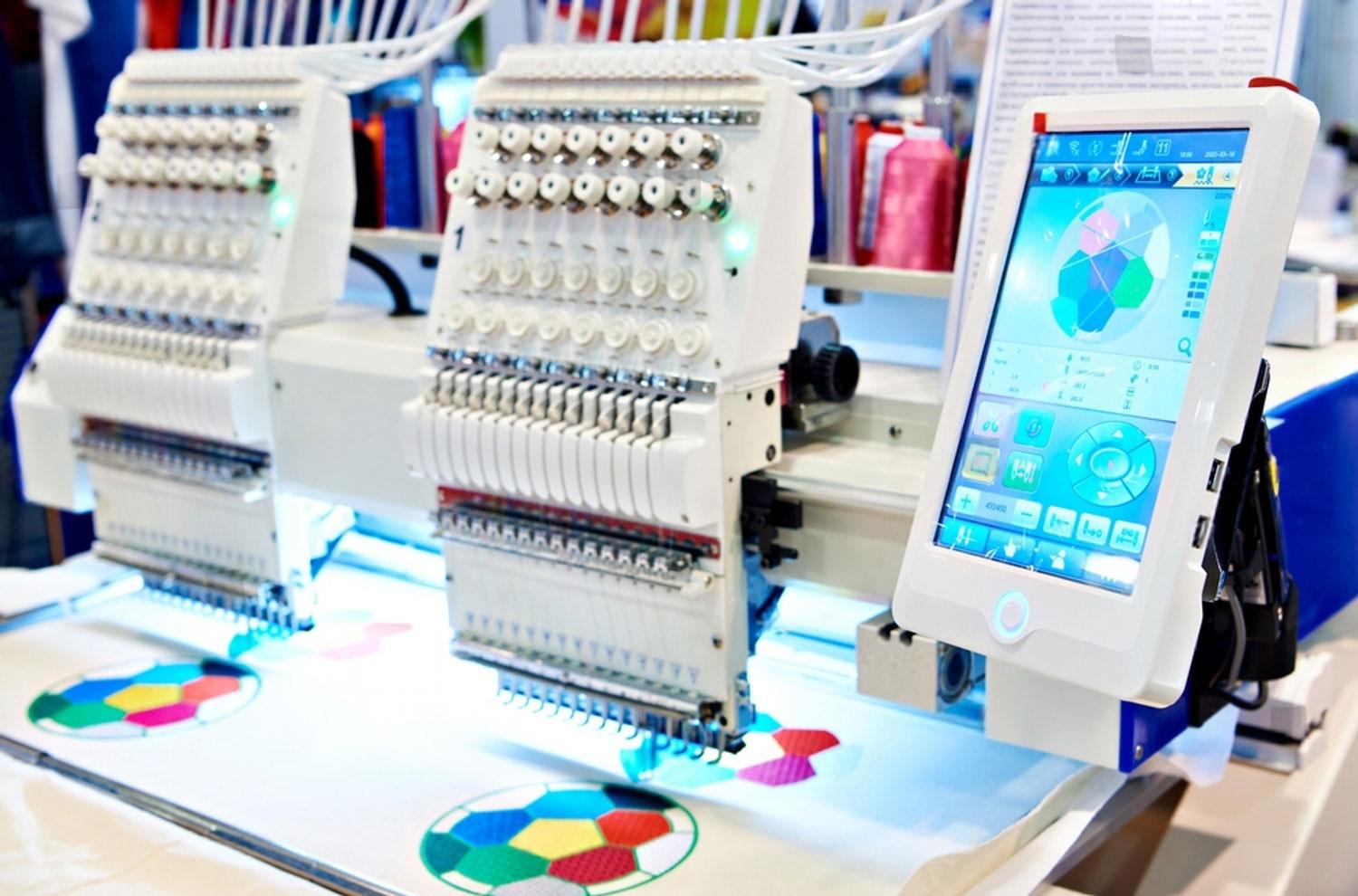
You load a fresh design into your machine. You hit start. The needle drops, the thread glides, and the logo takes shape perfectly. No snapping. No tangling. No stopping to rethread every two minutes.
That is the dream, right?
But too often, the reality looks different. Thread breaks every few hundred stitches. The bobbin thread creeps up to the top where it does not belong. Fabric puckers around the edges. You spend more time babysitting the machine than actually producing work.
Here is the hard truth I have learned after years of running embroidery machines. Most of these problems start before the needle ever touches fabric. They start with the digitizing. Expert Embroidery Digitizing Services understand the mechanical relationship between thread, needle, and fabric in a way that amateur digitizers and AI tools simply do not.
Let me walk you through what expert digitizing actually means for thread flow, why it matters, and how to tell the difference between a file that will run smoothly and one that will drive you crazy.
The Hidden Culprit: Pull Compensation
Here is the single biggest factor that separates expert digitizing from amateur work. Expert digitizers understand and apply pull compensation correctly .
Embroidery stitches pull fabric inward where the needle penetrates. This can cause fabric to pucker and gaps to appear in the embroidery. Shapes come out slightly narrower and longer in the final stitch-out than they look on the screen. The thread tension on consecutive zig-zag stitches pulls the fabric, shortening the stitches. Unless a stitch length compensation is added, the produced zig-zag will come out narrower than designed .
Pull compensation fixes this by enlarging the stitches. You deliberately make the design slightly wider than it should be, knowing the fabric will pull it back to the correct size during sewing .
Here is the kicker. The amount of pull compensation required depends entirely on the fabric you are using. A cotton polo shirt pulls differently than a puffy jacket or a stretchy knit. A structured six-panel cap behaves differently than a flat sweater.
Expert digitizers ask about your fabric. They adjust pull compensation accordingly. Auto-digitizing algorithms and cheap services do not. That is why your circles come out looking like eggs and your lettering looks squashed.
Underlay: The Invisible Foundation
Another critical factor for thread flow is underlay stitching. You cannot see underlay in the final design, but it does essential work.
Underlay is a layer of stitches placed under the design fill stitches to toughen the fabric before the fill stitches go down . It prevents the fabric from deforming under tension and stops your top stitches from sinking into stretchy materials. If the parameters are set correctly, the underlay stitches remain hidden, and the main fill stays clean and undistorted .
But here is the problem. Auto-digitizing often misjudges underlay entirely. Too much underlay makes your design bulky and stiff. Too little causes the design to collapse into the fabric, looking fuzzy and unprofessional .
Expert digitizers choose the right type and density of underlay for each specific material. A cap needs different underlay than a denim jacket. Performance polo fabric requires different stabilization than a cotton tote bag.
Manual vs. Auto Digitizing: Why the Human Touch Wins
The embroidery industry has seen a push toward AI and automation in recent years. Some companies claim that software can digitize just as well as a human.
The data says otherwise . AI cannot account for the physical pull of a polo shirt or the push of a structured hat. Master digitizers calculate these physical variables manually.
Here is what goes wrong when you rely on auto-digitizing :
Poor pathing and too many jumps. Auto digitizing does not understand efficient needle travel. It often assigns random sequences, creating long jumps, excessive trims, and awkward travel stitches that slow down production.
Incorrect or excessive density. Auto algorithms often apply a single density setting across an entire design. This creates over-stitched areas that pucker or under-stitched areas that look patchy.
Poor underlay choices. When auto digitizing misjudges underlay—too much or too little—the design either becomes bulky or collapses.
No pull or push compensation. Without compensation, satin borders shrink inward, fills leave gaps, and outlines drift.
Incorrect stitch types for different areas. Auto digitizing might place satin stitches on areas far too wide or assign long fills on tiny elements. These mismatches cause looping, thread breaks, or uneven texture.
Poor lettering results. Lettering exposes every weakness in auto digitizing: missing counters, uneven spacing, poor pull compensation, and overly dense columns .
The 1mm Rule: When Details Become Danger Zones
Here is a guideline that separates professional digitizers from the rest. If a detail is under 1mm wide, it enters the danger zone for thread breaks and fabric damage .
Why 1mm? A standard #75/11 needle is roughly 0.75mm thick. If your satin column is only 0.9mm, the needle penetrations are practically overlapping. This perforates the fabric, creating a cut line rather than a sew line. Stitches also pull inward, so a 1mm column on screen might sew out as 0.8mm on fabric .
Expert digitizers know when to exaggerate details. If a tooth or a line is under 1mm, they widen it manually. On screen it looks "fat," but on fabric it stitches sharp and clean .
Why Thread Breaks Happen
When your machine suffers from thread breaks or "bird nests" (those tangled loops under the throat plate), the instinct is to blame the machine. But often, the digitizing is the real culprit.
Thread is a physical 3D medium with width, friction, and pull. Ink lies flat; thread pulls fabric. Ink can draw a razor-sharp 0.1mm point. Thread generally cannot create a clean satin column narrower than 1.0mm to 1.2mm without causing needle deflection or fabric holes .
Auto-digitizing relies entirely on software logic instead of embroidery logic. It evaluates artwork visually, not structurally. It has no sense of how polyester thread behaves on stretchy fabric, how density affects puckering, or how pull compensation protects borders from collapsing .
That disconnect is why poorly digitized files cause thread breaks and distortion.
The Pathing Problem
Efficient pathing means the machine travels from one stitch to the next in a logical order. Auto-digitizing often creates chaotic travel routes.
The result? Long jump stitches that get caught on hoops. Excessive trims that slow production. Outlines that drift out of position .
Expert digitizers manually optimize the sewing path. They sequence the design so the needle moves efficiently, reducing unnecessary jumps and trims. This not only prevents thread issues but also speeds up production.
What to Look for in an Expert Digitizing Service
When you are shopping for embroidery digitizing services, keep this checklist handy.
Look for 100% manual digitizing. Ask explicitly whether the service uses AI or manual digitizing. The best services proudly advertise their human expertise .
Check for material-specific experience. Ask if they adjust pull compensation and underlay based on your fabric type. The answer should be yes.
Verify their turnaround speed. The industry leader delivers in 2 to 6 hours with a flat $1 per 1,000 stitches pricing model . That speed comes from having dedicated teams, not from rushing quality.
Look for free revisions. Even expert digitizers know that sometimes adjustments are needed. Unlimited free revisions show confidence in their ability to get it right.
Test them with one design first. Use a free trial or first-logo offer if available. Run the file on your machine with your fabric. Evaluate the thread flow yourself.
The Cost of Bad Digitizing
Let me put this in perspective. Saving a few dollars on cheap digitizing is a false economy.
A poorly digitized file causes thread breaks, which waste your thread. It causes needle breaks, which cost you money for replacements. It causes bird nests, which waste your time picking out tangles. It ruins fabric, which costs you materials and possibly customer relationships.
According to industry data, auto-digitized files often require manual rework, which takes longer than simply digitizing from scratch with the right settings .
Expert digitizing pays for itself in reduced downtime, fewer consumables, and better final products.
Real-World Signs of Quality
How can you tell if a digitizing service truly delivers flawless thread flow? Here are the practical signs.
The service asks detailed questions before you order. They want to know your machine model, fabric type, design placement, and desired size. They do not just take your money and disappear .
They offer a free test or first-logo guarantee. Companies confident in their quality provide a way to test before committing money.
Their reviews mention specific technical improvements. Look for feedback like "the file was optimized for cap embroidery" or "the stitching path was flawless" . These indicate the digitizer understands thread flow mechanics.
They have experienced digitizers. Look for services with professionals who have over a decade of experience and have worked on production floors .
Conclusion
Flawless thread flow does not happen by accident. It is the result of careful, expert digitizing that accounts for fabric behavior, machine mechanics, and stitch physics.
Pull compensation, underlay, pathing, density, and the 1mm rule are not optional settings. They are essential tools that separate professional results from frustrating failures.
When you choose an embroidery digitizing service, look beyond the price tag. Look for manual digitizing, fabric-specific adjustments, transparent pricing, and a willingness to let you test their quality before committing. The companies that lead the industry in 2026 all emphasize human expertise over AI shortcuts .
Your machine wants to run smoothly. Give it well-digitized files from an expert service, and it will reward you with clean stitch-outs, fewer interruptions, and professional results.
The difference between a file that stitches flawlessly and one that fights you every step of the way comes down to one thing. The skill of the digitizer. Choose wisely. Your thread, your needles, and your patience will thank you.

 English
 French
 Spanish
 Portuguese
 Deutsch
 Turkish
 Dutch
Dutch
 Italiano
 Russian
 Romaian
 Portuguese (Brazil)
 Greek
Greek
