


How Does Traceability Support Sustainability And Rapid Root Cause Response
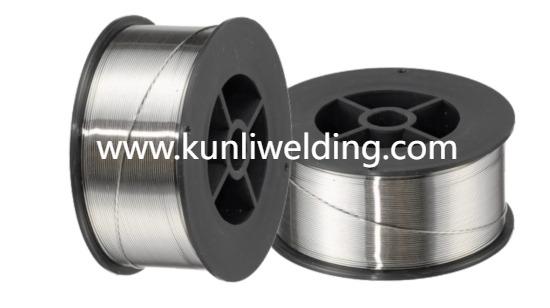
Manufacturing choices increasingly reflect broader sustainability goals and public expectations. Aluminum Welding Wire Manufacturers are responding with a range of practices that reduce environmental footprint while preserving feedability and weld performance. These moves matter as construction, mobility, and energy projects place new emphasis on lifecycle impacts and procurement teams ask suppliers for transparent evidence of environmental improvement.
One visible shift is toward recycled feedstock and closed loop material flows. Some producers adjust material sourcing to include recycled aluminum while refining melting and refining steps to maintain consistent chemistry. That approach reduces reliance on virgin inputs and lowers embodied energy in the wire. When combined with clear traceability, recycled content gives buyers the data they need to align purchasing with corporate sustainability targets and regulatory scrutiny.
Energy efficiency inside the plant is another area of focus. Drawing and finishing operations can be energy intensive so manufacturers are adopting measures to reduce consumption. These include process optimization that lowers required passes and equipment upgrades that improve thermal efficiency. When production lines run with reduced energy intensity the result is a smaller carbon footprint for each spool leaving the factory which procurement teams can reflect in total cost of ownership conversations.
Water and emissions management receive attention as well. Facilities that capture and reuse process water or that treat effluent before discharge reduce local environmental impact. Air treatment and particulate control protect both workers and neighborhoods around production sites. Public conversations about industrial emissions and community impact make these practices commercially relevant as project owners seek suppliers whose footprints align with their own environmental commitments.
Packaging and logistics also offer gains. Manufacturers and their customers are rethinking spool formats and protective wraps to cut single use materials and to lower transport volume. Options include lightweight spool cores that maintain feed reliability while reducing material use, and returnable spool programs that circulate durable cores between plant and user. Shorter delivery distances and regional stocking reduce transport emissions and shorten lead times during demand surges driven by electrification or infrastructure projects.
Designing for recyclability and repair influences alloy choices and finishing practices. Some producers collaborate with customers to select alloys and tempering approaches that ease downstream recycling without compromising weld behavior. When finished assemblies are intended for long service in exposed environments, aligning filler selection and surface treatment with end of life pathways supports circular economy goals and fewer disposal hurdles.
Digital traceability and transparency have become practical differentiators. Manufacturers that attach batch level records to each spool help buyers reconcile material origin with in shop performance. That traceability supports rapid root cause work and prevents unnecessary wasteful recalls. It also enables lifecycle assessments that feed into procurement decisions and sustainability reporting.
Operational practices that reduce scrap are a straightforward sustainability win. Inline quality checks that prevent off specification spools from shipment and process controls that reduce variance lower the incidence of rejects. When fewer spools are scrapped, the lifecycle impacts fall and resource efficiency improves. Those gains matter especially when supply chains tighten and material availability shapes production planning.
Supplier collaboration with customers accelerates adoption of greener practices. Joint pilots on new spool formats, trials that combine recycled feedstock with finishing adjustments, and shared targets for reduced shipping volume help both parties reach sustainability goals without destabilizing production. Buyers who specify handling and packaging needs as part of procurement terms encourage manufacturers to scale sustainable offerings.
Finally, corporate reporting and external disclosure weigh into supplier selection. As regulators and financial stakeholders focus on environmental performance, suppliers that publish clear descriptions of process changes and provide accessible product information make it easier for purchasers to evaluate risk and alignment with their own policies. Transparency builds confidence and simplifies integration of material choices into broader sustainability strategies.
For procurement teams looking to align weld consumable sourcing with environmental and performance objectives, evaluate suppliers on recycled content policy energy management water and emissions controls packaging innovation traceability and collaborative pilot capability. To review product details and technical notes on aluminum welding wire including alloy options and manufacturing practices visit www.kunliwelding.com .

 English
 Arabic
 French
 Spanish
 Portuguese
 Deutsch
 Turkish
 Italiano
 Russian
 Romaian
 Portuguese (Brazil)
 Greek
Greek
