


Homes That Run on Service Based Energy
Introduction
The residential energy as a service market is changing the way households access and manage energy by shifting from traditional ownership models to service-based solutions. Instead of buying and maintaining energy equipment such as solar panels, batteries, or heating systems, homeowners subscribe to energy services provided by third-party companies. These services usually include energy generation, storage, monitoring, maintenance, and optimization under a single service agreement. This model reduces upfront investment and makes clean and efficient energy solutions more accessible to a wider group of consumers. As energy costs fluctuate and sustainability becomes a priority for households, residential energy as a service is gaining strong attention as a flexible and future-ready approach to home energy management.
Market Drivers
The growth of the residential energy as a service market is mainly driven by the increasing demand for affordable and low-risk clean energy solutions. Many homeowners want to adopt solar power and energy storage but hesitate due to high initial installation costs. The service-based model removes this financial barrier by offering energy systems through monthly subscription or performance-based payments. Rising electricity prices and concerns over grid reliability are also encouraging consumers to look for alternative energy arrangements that provide cost predictability and backup power. Growing awareness of environmental protection and carbon reduction is pushing households to adopt sustainable energy solutions without the burden of ownership. Advances in digital monitoring, smart meters, and home energy management platforms are further supporting the growth of energy as a service models.
Market Challenges
Despite growing interest, the residential energy as a service market faces several challenges that can slow adoption. One of the main challenges is limited awareness and understanding of the service model among homeowners, especially in developing regions. Many consumers are still more comfortable with traditional energy ownership and billing structures. Contract complexity and long-term service agreements may discourage some users who prefer full control over their energy assets. Data privacy and cybersecurity risks related to cloud-based energy monitoring systems are also emerging concerns. Regulatory uncertainty in certain regions regarding third-party energy services, net metering, and power resale can limit market expansion. Trust in service providers and clarity in performance guarantees remain critical factors influencing customer adoption.
Market Opportunities
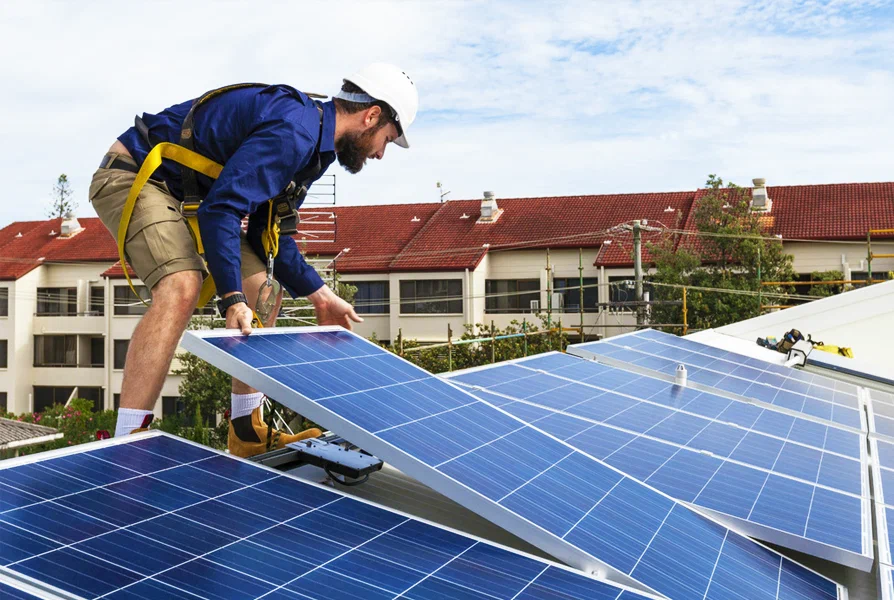
The residential energy as a service market offers strong opportunities with the rapid expansion of rooftop solar, home battery storage, and electric vehicle charging infrastructure. Energy as a service providers can bundle these technologies into integrated offerings that simplify energy adoption for homeowners. The growing trend of smart homes and connected appliances creates opportunities for advanced energy optimization services based on real-time data. Time-of-use pricing models and demand response programs also open new revenue streams by allowing households to earn through flexible energy consumption and grid support. Emerging markets with rising urban populations and limited grid reliability present strong long-term potential for service-based residential energy solutions. Partnerships between utilities, technology companies, and financing institutions will further expand market reach.
Regional Insights
Regional development of the residential energy as a service market varies based on energy policy, digital infrastructure, and renewable energy adoption. North America represents a leading market due to high rooftop solar penetration, strong digital energy platforms, and consumer openness to subscription-based services. The United States has seen increasing adoption of residential energy service models driven by solar leasing and battery service programs. Europe is also an important market supported by aggressive carbon reduction goals, energy efficiency regulations, and widespread smart meter deployment. Countries such as Germany, the Netherlands, and the United Kingdom are actively promoting residential energy services. The Asia-Pacific region is witnessing gradual growth driven by urban expansion, rising energy demand, and growing interest in rooftop solar in countries such as China, Japan, India, and Australia. Other regions such as Latin America and the Middle East are at early stages but show potential as renewable energy infrastructure develops.
Future Outlook
The future of the residential energy as a service market appears highly promising as households increasingly seek energy solutions that are flexible, affordable, and environmentally responsible. Continuous improvement in digital energy platforms, artificial intelligence-based energy optimization, and smart grid integration will enhance service quality and customer experience. As electric vehicle adoption accelerates, energy as a service providers will play a larger role in managing home charging loads and grid interaction. Expansion of community solar and virtual power plant concepts will further strengthen the service model. With rising focus on decarbonization and energy resilience, residential energy as a service is likely to become a mainstream option for home energy management in the coming years.
Conclusion
The residential energy as a service market is redefining how households access clean and reliable energy by shifting from product ownership to service-based models. This approach reduces financial barriers, simplifies technology adoption, and offers greater flexibility for homeowners. Although challenges related to awareness, regulation, and data security remain, rapid digitalization and supportive energy policies are accelerating market development. Strong demand for rooftop solar, home storage, and smart energy management is driving steady growth. The residential energy as a service market is therefore expected to play a key role in the future of decentralized and customer-centric energy systems.

 English
 Arabic
 French
 Spanish
 Portuguese
 Deutsch
 Turkish
 Dutch
Dutch
 Russian
 Romaian
 Portuguese (Brazil)
 Greek
Greek
