


How a Simple Port Changed Car Care
Introduction
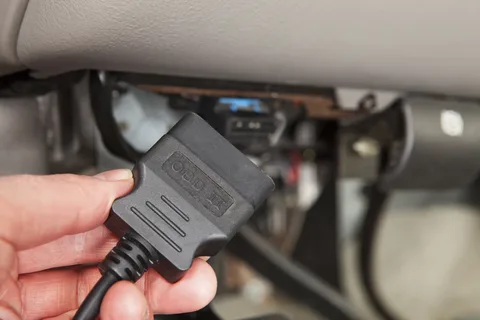
The OBD aftermarket market revolves around products and solutions developed around the On-Board Diagnostics system that is built into modern vehicles. OBD systems allow access to real-time vehicle data such as engine performance, fuel efficiency, emission status, fault codes, and many other operating parameters. Aftermarket OBD products include diagnostic scanners, Bluetooth OBD devices, performance tuning tools, fleet tracking units, and mobile app-based monitoring solutions. These products are widely used by vehicle owners, repair shops, fleet operators, insurance companies, and automotive enthusiasts. As vehicles become more software-driven and electronically complex, the demand for easy access to diagnostic and performance data is steadily increasing. This shift is making the OBD aftermarket an important part of the evolving automotive ecosystem.
Market Drivers
The growth of the OBD aftermarket market is mainly driven by the rising number of vehicles on the road and the increasing complexity of modern automotive systems. Today’s vehicles rely heavily on electronic control units, sensors, and software to manage performance, safety, and efficiency. This has created a strong need for diagnostic tools that can quickly identify faults and reduce repair time. Growing awareness among consumers about vehicle health monitoring and preventive maintenance is also supporting market growth. The rapid adoption of connected car technologies and smartphone-based vehicle monitoring is another key driver, as Bluetooth OBD devices allow users to access vehicle data through mobile apps. Expansion of vehicle fleets in logistics, ride-hailing, and delivery services is further boosting demand for OBD-based tracking and diagnostics solutions. Strict emission regulations in many regions are also increasing the use of OBD systems for compliance monitoring.
Market Challenges
Despite strong growth, the OBD aftermarket market faces several challenges that affect product adoption and market stability. One of the main challenges is compatibility across different vehicle brands, models, and software protocols. Not all OBD devices work seamlessly with every vehicle, which can lead to user dissatisfaction. Data security and privacy concerns are also becoming more important as OBD devices collect and transmit sensitive vehicle and location data. The presence of low-quality and counterfeit products in the market affects performance reliability and consumer trust. Rapid technological changes in vehicle electronics mean that aftermarket products must be frequently updated to stay compatible with new vehicle platforms. In some regions, limited technical awareness among vehicle owners restricts full utilization of advanced OBD features.
Market Opportunities
The OBD aftermarket market offers strong opportunities as vehicles continue to become more connected and data-driven. Integration of OBD devices with cloud platforms, artificial intelligence, and predictive analytics is opening new possibilities for advanced vehicle diagnostics and preventive maintenance services. Insurance companies are increasingly using OBD-based telematics for usage-based insurance programs, creating a growing demand for reliable aftermarket OBD devices. The rise of electric and hybrid vehicles is also creating new opportunities for specialized OBD tools designed to monitor battery health, charging behavior, and energy efficiency. Growth of do-it-yourself vehicle maintenance culture in many regions is supporting demand for user-friendly diagnostic tools. Emerging markets with rising vehicle ownership and expanding digital infrastructure present long-term growth potential for the OBD aftermarket industry.
Regional Insights
Regional demand for OBD aftermarket products varies based on vehicle population, digital adoption, and regulatory environment. North America holds a significant share of the market due to high vehicle ownership, strong presence of fleet operators, and early adoption of connected car technologies. The United States, in particular, has seen wide usage of OBD devices in insurance telematics and performance tuning. Europe also represents a major market driven by strict emission regulations, advanced automotive engineering, and a strong vehicle service industry. The Asia-Pacific region is witnessing rapid growth due to increasing vehicle sales, expanding middle-class population, and growing smartphone penetration in countries such as China, India, Japan, and South Korea. Rising demand for cost-effective vehicle maintenance solutions in this region is further strengthening market growth. Latin America and the Middle East are emerging markets where growing vehicle fleets and expanding logistics sectors are gradually boosting adoption of OBD aftermarket products.
Future Outlook
The future of the OBD aftermarket market appears strong as vehicles become increasingly connected, intelligent, and software-controlled. Continuous advancements in wireless communication, cloud computing, and data analytics will enhance the capabilities of OBD-based solutions. The integration of OBD systems with smart city infrastructure, traffic management platforms, and fleet optimization tools will expand their role beyond diagnostics. As electric vehicles gain wider adoption, new-generation OBD tools will evolve to support advanced battery management and energy monitoring features. Consumer demand for real-time vehicle insights, fuel savings, and safety improvements will continue to drive innovation in the aftermarket segment. With ongoing improvements in device affordability and ease of use, OBD aftermarket solutions are expected to reach a broader user base in the coming years.
Conclusion
The OBD aftermarket market has become an essential part of the modern automotive service and monitoring landscape. By enabling access to real-time vehicle data, OBD aftermarket products help improve maintenance efficiency, reduce repair costs, enhance safety, and support smarter vehicle usage. While challenges related to compatibility, data security, and product quality remain, rapid technological progress is continuously improving system reliability and functionality. Strong demand from individual vehicle owners, fleet operators, insurers, and service centers continues to fuel market growth. As vehicles become more digitally connected and data-driven, the OBD aftermarket market is expected to grow steadily and play a more central role in the future of automotive management.

 English
 Arabic
 French
 Spanish
 Portuguese
 Turkish
 Dutch
Dutch
 Italiano
 Russian
 Romaian
 Portuguese (Brazil)
 Greek
Greek
