


Top Things Businesses Should Check Before Choosing Transmission Tower Suppliers
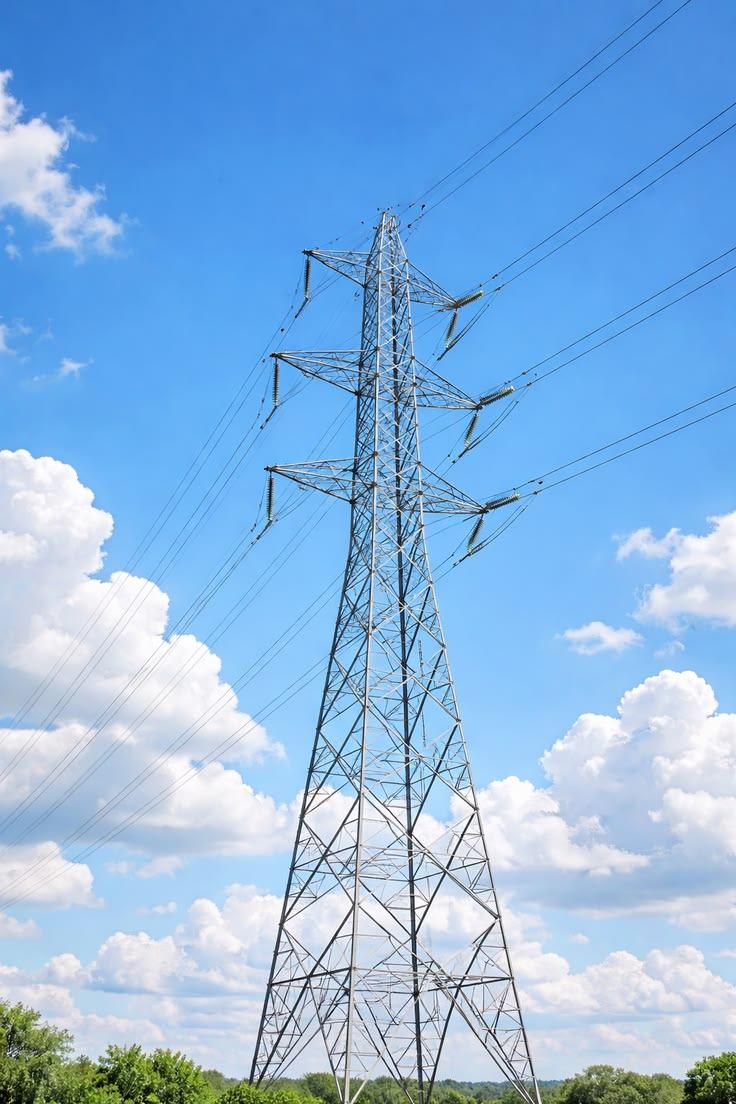
If you’ve ever been involved in power infrastructure work, you already know one thing — choosing the right Transmission Tower Suppliers is not a small decision. It sits at the center of everything. The durability of the structure, project timelines, even long-term maintenance headaches… all of it connects back to this choice.
And honestly, people often rush this step.
On paper, many suppliers look similar. Same product category, similar promises, polished brochures. But once the project starts, the differences show up quickly — and sometimes painfully.
Let’s talk through what actually matters.
Material Quality Isn’t Just a Checkbox
A tower is only as strong as the material used to build it. Sounds obvious, but this is where many projects quietly go wrong.
Steel quality, galvanization process, corrosion resistance — these things decide whether the structure stands firm for decades or starts showing weakness far too early. In India’s varied climate, from coastal humidity to extreme heat, poor material doesn’t survive long.
Ask direct questions. What grade of steel is used? How is it tested? Are there third-party certifications?
If the answers feel vague, that’s already an answer.
Manufacturing Capability Tells You Everything
Some suppliers outsource most of their work. Others control the full process in-house. That difference matters more than people expect.
A supplier with strong manufacturing capability maintains consistency. The design matches the final product. Delivery timelines stay predictable. There’s less back-and-forth, fewer surprises.
Walk through their facility if possible. Or at least review detailed production documentation.
You’re not just buying a tower. You’re buying the process behind it.
Experience Isn’t About Years Alone
You’ll often hear, “We’ve been in this industry for 20 years.” That sounds impressive, but pause for a second.
What kind of projects have they handled?
High-voltage transmission lines? Challenging terrains? Large-scale government contracts?
Experience only counts when it matches your requirement. A supplier who has worked on complex projects brings practical understanding — not just theory.
There’s a reason why seasoned companies talk less and show more.
Compliance and Standards Should Be Non-Negotiable
Transmission towers aren’t decorative structures. They operate under strict technical and safety requirements.
Standards like IS codes or international benchmarks aren’t optional. They define load capacity, wind resistance, and structural integrity.
A reliable supplier doesn’t just claim compliance — they document it clearly.
And here’s something worth noting: according to industry data, structural failures in transmission systems often trace back to design or compliance gaps, not just material issues.
That’s a costly mistake to deal with later.
Design Capabilities Make a Real Difference
Every project has its own conditions. Terrain, wind zones, voltage levels — nothing is truly “standard,” even if it looks that way.
Strong suppliers invest in design teams. They don’t just manufacture; they engineer.
Custom designs, optimized structures, and efficient load distribution can reduce material usage and improve performance at the same time.
It’s not about making something heavier. It’s about making it smarter.
Delivery Timelines Need Realistic Backing
Deadlines in infrastructure projects are tight. Delays in tower supply ripple through the entire project.
So when a supplier promises quick delivery, look deeper.
Do they have the capacity to handle bulk orders? What does their past delivery record look like? How do they handle unexpected demand spikes?
Because delays don’t come with warnings. They just show up.
Cost Is Important. But Look Twice.
Everyone looks at pricing first. That’s natural.
But the lowest quote often hides something — compromised material, weaker processes, or limited after-sales support.
Think long term. A slightly higher upfront investment can save significant repair or replacement costs later.
There’s an old saying in infrastructure circles: you don’t pay for quality once, you pay for poor quality repeatedly.
After-Sales Support Is Often Ignored
This part doesn’t get enough attention.
Once the towers are installed, support still matters. Technical assistance, maintenance guidance, replacement parts — these become important over time.
A good supplier doesn’t disappear after delivery. They stay reachable. They respond when needed.
It’s a quieter factor, but it shows the supplier’s mindset.
Reputation Speaks Before Marketing Does
You can learn a lot just by asking around.
What do previous clients say? Were there delays? Quality issues? How was communication handled?
Real feedback often tells a different story than brochures.
In infrastructure industries, reputation travels fast. A supplier known for reliability rarely needs to oversell.
Technology and Modern Practices
Some suppliers still rely on outdated methods. Others invest in automation, advanced fabrication techniques, and digital design tools.
That difference reflects in precision, efficiency, and consistency.
Modern practices don’t just improve production — they reduce errors.
And fewer errors mean fewer problems on-site.
Flexibility When Things Change
Projects don’t always go exactly as planned.
Design adjustments, quantity changes, site challenges — these situations come up more often than people admit.
A rigid supplier slows everything down. A flexible one adapts.
That ability to adjust without compromising quality is something you only notice when things get unpredictable.
Choosing among Transmission Tower Suppliers isn’t just a procurement task. It’s a decision that shapes the reliability of an entire power system.
Some choices feel easy at the beginning. Later, they don’t.
So it’s worth taking that extra time now. Ask more questions. Look beyond surface-level details.
Because once those towers are standing out there, holding up critical infrastructure… there’s no easy way to undo a poor decision.

 English
 French
 Spanish
 Portuguese
 Deutsch
 Turkish
 Dutch
Dutch
 Italiano
 Russian
 Romaian
 Portuguese (Brazil)
 Greek
Greek
