


From Storage to Safety: Important Guidelines in Pharmaceutical Warehousing
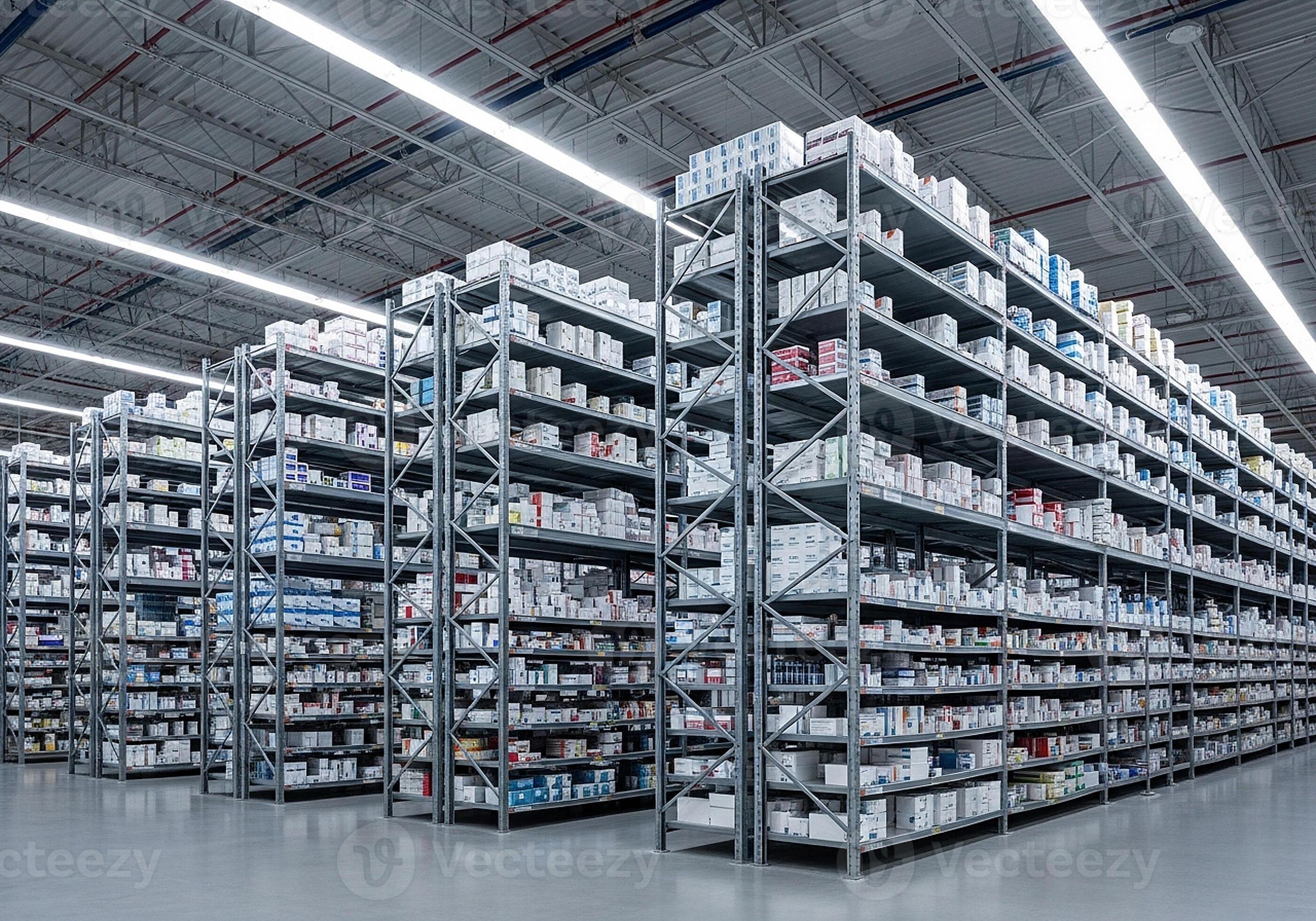
Walk into a pharmaceutical warehouse and you won’t see chaos. You’ll notice control. Quiet systems. Careful movement. Every rack, every box, every label has a purpose, and none of it is random.
Handling medicines isn’t like handling regular inventory. A slight variation in temperature, a missed record, or a delay in handling can affect product integrity. And once that happens, there’s no going back. That’s why warehousing in this space runs on discipline more than speed.
It starts with the environment
Temperature isn’t just a number on a screen here. It’s everything.
Most pharmaceutical products demand a tightly controlled range. Some require cold storage, others need protection from humidity, and a few react badly to light exposure. Even a short fluctuation during storage or movement can reduce effectiveness.
Warehouses that handle such materials invest heavily in monitoring systems. Sensors track temperature and humidity in real time, not once a day, not occasionally, but continuously. Alerts are triggered the moment something drifts out of range.
There’s a reason for that level of attention. According to industry estimates, nearly 20% of temperature-sensitive healthcare products get compromised during storage or transit due to poor handling conditions. That number alone explains why environmental control is treated almost like a non-negotiable rule.
Cleanliness is not optional
You don’t “maintain” hygiene in pharmaceutical warehousing. You enforce it.
Dust, contamination, or improper handling can create serious risks. Storage areas must remain clean, organized, and regularly inspected. That includes floors, racks, pallets, and even the equipment used for movement.
But cleanliness here goes beyond sweeping and mopping. There are defined zones, restricted access areas, and strict protocols for entry. Staff often follow specific procedures before entering sensitive storage sections. It’s routine, but it matters.
Even something as small as improper packaging placement can lead to contamination concerns. So everything stays in its place. Always.
Documentation tells the real story
If it isn’t recorded, it didn’t happen. That’s how most pharmaceutical warehouses operate.
Every movement, every shift in storage, every incoming and outgoing batch gets documented. Not because it looks good on paper, but because traceability is critical. If an issue arises, the system must be able to track exactly where a product has been, who handled it, and under what conditions.
Digital systems have made this easier. Inventory management tools now track batch numbers, expiry dates, and movement history with precision. But technology alone isn’t enough. The discipline to update records accurately is what keeps the system reliable.
Miss one entry, and you create a gap. And gaps are dangerous in this line of work.
Storage planning isn’t random
You can’t just place pharmaceutical products wherever there’s space available.
Different products come with different storage requirements. Some need refrigeration. Others require isolation. Certain materials must be stored away from others to avoid chemical interaction risks.
That means warehouse layout plays a big role. Zoning becomes essential. Cold storage units, quarantine areas, and regular storage sections must be clearly defined and separated.
Then comes the question of expiry. Pharmaceutical warehousing follows strict inventory rotation methods, especially FEFO—First Expiry, First Out. It ensures that products nearing expiry move out first, reducing the risk of outdated stock sitting unnoticed.
It sounds simple, but maintaining it daily requires attention.
Handling needs training, not guesswork
People working inside these facilities aren’t just moving boxes.
They are trained to understand the sensitivity of what they’re handling. From proper lifting techniques to knowing how to respond during temperature excursions, every action is guided by protocols.
Even routine tasks like loading and unloading follow a structured process. Time matters here. The longer a product stays outside its required conditions, the higher the risk.
So teams are trained to work efficiently without rushing blindly. There’s a balance. And it’s learned over time.
Safety goes beyond products
Pharmaceutical warehousing is not only about protecting what’s stored. It’s also about protecting the people handling it.
Certain products may be sensitive, reactive, or require careful handling. Safety measures such as protective equipment, clear labeling, and hazard awareness training become essential.
Emergency protocols are also part of daily operations. Fire safety systems, spill response procedures, and evacuation plans are not just formalities. Teams are expected to know them well.
Because when something goes wrong, reaction time matters more than anything else.
Technology quietly runs the backbone
You don’t always see it, but technology is doing a lot of the heavy lifting.
Warehouse management systems keep track of inventory flow. Automated alerts flag irregularities. Barcode and scanning systems reduce manual errors. Some facilities even use IoT-based monitoring to maintain environmental conditions.
But here’s the thing—technology supports the process, it doesn’t replace responsibility.
A well-trained team using a simple system often performs better than a poorly managed setup filled with advanced tools. The difference always comes down to execution.
Audits keep everyone alert
Pharmaceutical warehousing doesn’t run on trust alone. It runs on verification.
Regular audits, both internal and external, ensure that standards are being followed. These inspections look into storage conditions, documentation accuracy, safety practices, and overall compliance with regulatory requirements.
They can be strict. Sometimes uncomfortable.
But they serve a purpose. They keep operations sharp and prevent complacency from creeping in.
A system built on consistency
If you step back and look at the bigger picture, pharmaceutical warehousing isn’t about doing something extraordinary once. It’s about doing the same things correctly every single day.
Check temperatures. Maintain records. Follow storage rules. Handle with care.
Repeat.
There’s no room for shortcuts here. Because even a small oversight can have consequences that extend far beyond the warehouse walls.
And that’s really what defines this space. Not speed. Not volume.

 English
 Arabic
 French
 Portuguese
 Deutsch
 Turkish
 Dutch
Dutch
 Italiano
 Russian
 Romaian
 Portuguese (Brazil)
 Greek
Greek
