


Engineering the Equipment That Drives Rail Mobility
Introduction
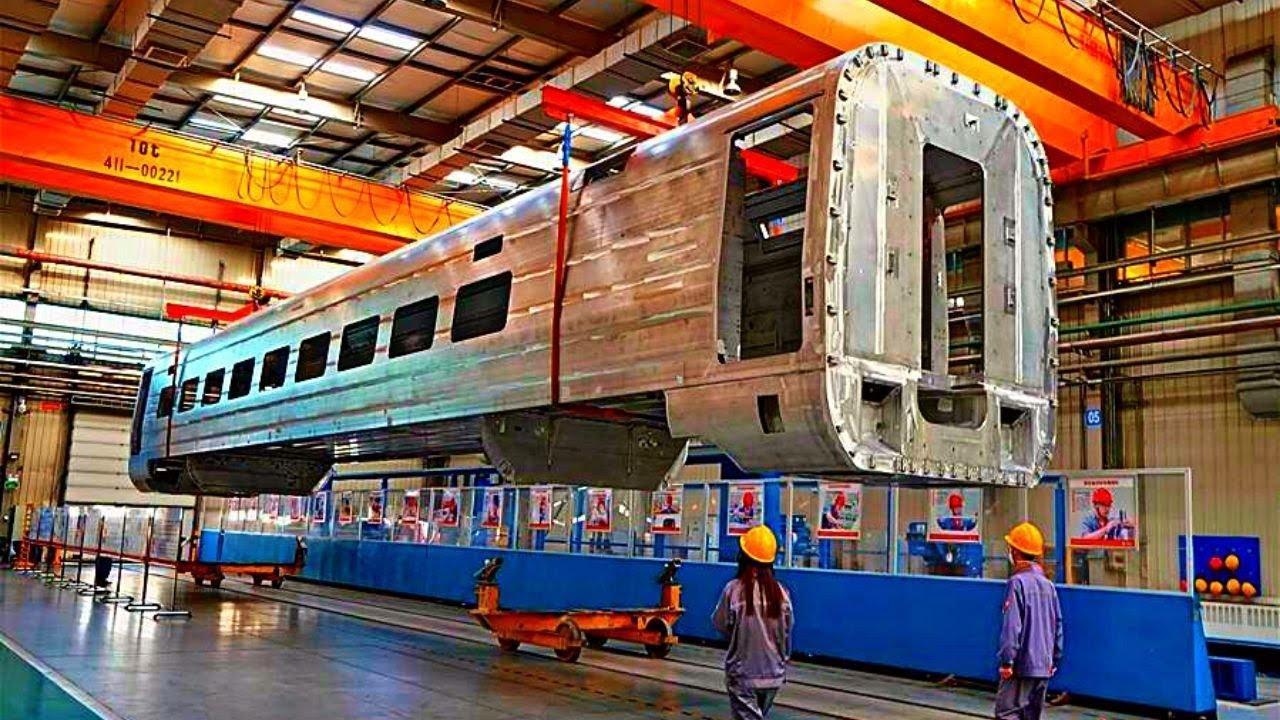
The railroad equipment manufacturing market focuses on the production of components and systems used across railway infrastructure and rolling stock. This includes locomotives, freight wagons, passenger coaches, railcars, braking systems, couplers, bogies, signaling equipment, and supporting mechanical and electrical parts. Railroad equipment forms the backbone of rail transport, enabling safe, efficient, and high-capacity movement of passengers and goods. As railways remain one of the most energy-efficient and environmentally friendly modes of transport, investment in modern and reliable equipment continues to be a priority for governments and private operators. With growing demand for rail-based mobility and freight solutions, the manufacturing of advanced railroad equipment plays a critical role in shaping global transportation networks.
Market Drivers
The market is driven by rising investment in rail infrastructure and rolling stock modernization programs worldwide. Governments are prioritizing rail transport to reduce road congestion, lower carbon emissions, and improve long-distance connectivity. Expansion of metro rail, high-speed rail, and suburban rail networks is creating strong demand for new equipment and replacement components. Growth in freight rail transport, driven by industrial activity and cross-border trade, also supports demand for durable and high-capacity railroad equipment. Increasing focus on passenger comfort, safety, and operational efficiency encourages adoption of technologically advanced components. Additionally, aging rail fleets in many regions require refurbishment or replacement, generating sustained demand for manufactured equipment.
Market Challenges
Despite steady demand, the railroad equipment manufacturing market faces challenges related to high capital requirements and long project cycles. Manufacturing rail equipment requires significant investment in facilities, tooling, skilled labor, and quality control systems. Long procurement processes and dependence on government budgets can delay orders and affect revenue stability. Compliance with strict safety, technical, and certification standards adds complexity and cost to manufacturing operations. Supply chain disruptions, particularly for steel, electronics, and specialized components, can impact production timelines. Customization requirements for different rail standards, track gauges, and regional regulations further increase design and manufacturing complexity.
Market Opportunities
The market offers strong opportunities through technological innovation and global rail expansion. Development of lightweight materials, advanced braking systems, and energy-efficient propulsion technologies enhances performance and reduces operating costs. Growth of electric and hybrid locomotives opens new avenues for manufacturers focused on sustainable solutions. Digitalization of rail equipment, including condition monitoring and smart diagnostics, creates value-added opportunities. Emerging economies investing in new rail corridors and urban transit systems provide long-term growth potential for equipment suppliers. Public–private partnerships and international rail projects also expand market access for manufacturers with scalable and adaptable product portfolios.
Regional Insights
Regional demand varies based on rail network size, investment levels, and industrial capacity. Asia-Pacific dominates the railroad equipment manufacturing market due to extensive rail infrastructure development in countries such as China, India, and Japan. Large-scale metro expansion, high-speed rail projects, and freight corridor development support strong manufacturing activity. Europe shows steady demand driven by modernization of existing networks, cross-border rail integration, and sustainability goals. North America maintains stable demand supported by freight rail operations and gradual passenger rail upgrades. The Middle East is an emerging market with growing rail projects aimed at improving regional connectivity. Latin America and Africa show gradual growth as governments invest in rail to support economic development.
Future Outlook
The future of the railroad equipment manufacturing market will be shaped by sustainability, automation, and digital integration. Manufacturers will increasingly focus on low-emission propulsion systems, recyclable materials, and energy-efficient designs. Smart equipment with embedded sensors and connectivity will enable predictive maintenance and improved asset utilization. Automation in manufacturing processes will improve production efficiency and quality consistency. As rail networks expand and performance expectations rise, demand for advanced, reliable, and cost-effective equipment will continue to grow. Long-term infrastructure planning and climate-focused transport policies will further support market expansion.
Conclusion
The railroad equipment manufacturing market is a foundational element of global rail transport systems, supporting passenger mobility and freight movement across regions. While challenges related to capital intensity, regulation, and supply chain complexity exist, strong investment in rail infrastructure and modernization continues to drive demand. Technological innovation and sustainability-focused design are reshaping manufacturing priorities. As rail transport gains importance in achieving efficient and low-carbon mobility, railroad equipment manufacturers will remain key contributors to the development of safe, modern, and resilient rail networks.

 English
 Arabic
 French
 Spanish
 Portuguese
 Deutsch
 Turkish
 Dutch
Dutch
 Italiano
 Romaian
 Portuguese (Brazil)
 Greek
Greek
