


Supporting Rail Engines Through Efficient Heat Control
Introduction
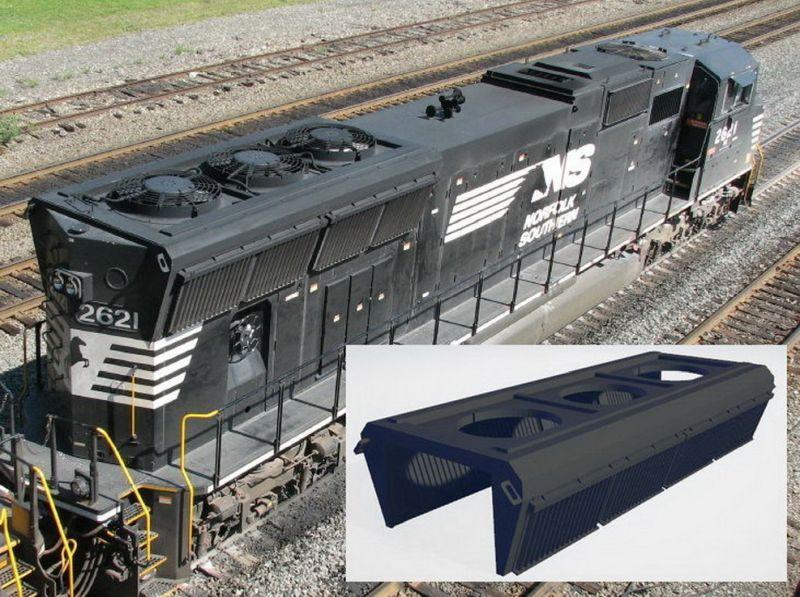
The railway radiator market focuses on cooling systems used in locomotives and rail vehicles to regulate engine and auxiliary equipment temperatures. Radiators are essential for dissipating heat generated by diesel engines, traction motors, power electronics, and auxiliary power units, ensuring stable operation under continuous and heavy-duty conditions. In railway applications, cooling systems must perform reliably across long duty cycles, variable loads, and harsh environmental conditions such as dust, vibration, and temperature extremes. As rail engines and onboard systems become more powerful and compact, efficient heat rejection through robust radiator designs has become a critical requirement for performance, safety, and durability.
Market Drivers
The market is driven by rising demand for reliable and efficient railway propulsion systems, particularly in diesel and hybrid locomotives. Higher power density engines generate greater thermal loads, increasing the need for advanced cooling solutions. Growth in freight rail operations, where locomotives operate for long hours under heavy loads, further supports radiator demand. Passenger rail expansion and refurbishment programs also contribute, as cooling systems are upgraded to meet modern performance and emission standards. Stricter regulations on engine efficiency and emissions indirectly drive adoption of improved radiator designs that help maintain optimal operating temperatures and reduce thermal stress on engines.
Market Challenges
Despite steady demand, the railway radiator market faces challenges related to durability, fouling, and maintenance. Radiators are exposed to dust, debris, insects, and corrosive elements that can block airflow and reduce heat transfer efficiency. Vibration and thermal cycling can lead to leaks, fatigue, and reduced service life if materials and joints are not properly engineered. Space and weight constraints within locomotive engine compartments limit design flexibility. Maintenance access can be difficult, increasing service time and operational downtime. Cost pressure from rail operators seeking long service intervals and low lifecycle costs also impacts product development and pricing strategies.
Market Opportunities
The market offers strong opportunities through innovation in materials, design, and system integration. Use of lightweight alloys, high-efficiency fin designs, and corrosion-resistant coatings improves heat transfer and durability. Compact radiator configurations help address space constraints while maintaining performance. Growth of hybrid locomotives and auxiliary power systems creates demand for specialized radiators tailored to multiple cooling circuits. Integration of smart sensors enables monitoring of coolant temperature, flow, and radiator health, supporting predictive maintenance. Emerging rail markets investing in new rolling stock and infrastructure provide long-term opportunities for radiator manufacturers and system integrators.
Regional Insights
Regional demand varies based on locomotive fleet composition and rail activity levels. Asia-Pacific dominates the railway radiator market due to extensive rail networks and widespread use of diesel locomotives in countries such as India and China. High freight volumes and diverse operating environments drive strong cooling system demand. Europe shows steady growth supported by fleet modernization and efficiency-focused upgrades, even as electrification expands. North America remains a significant market due to large freight rail operations relying on high-power diesel locomotives. The Middle East and Africa are emerging markets with growing rail projects that require robust cooling solutions for hot and dusty climates. Latin America also shows gradual growth linked to freight and regional passenger rail expansion.
Future Outlook
The future of the railway radiator market will be shaped by efficiency improvement, integration with advanced thermal management systems, and sustainability goals. Radiators will increasingly be part of optimized cooling architectures that manage multiple heat sources within a locomotive. Improved airflow management and advanced materials will enhance performance while reducing weight and maintenance needs. Digital monitoring and diagnostics will become more common, enabling early detection of cooling issues. Even as electrification increases, radiators will remain essential for cooling power electronics, traction systems, and auxiliary equipment. Continuous innovation will support long-term market relevance.
Conclusion
The railway radiator market plays a vital role in maintaining the performance, reliability, and longevity of railway engines and onboard systems. Effective cooling ensures stable operation under demanding conditions and supports compliance with efficiency and emission requirements. While challenges related to fouling, durability, and maintenance remain, advancements in materials and design continue to drive market growth. As rail systems evolve and performance expectations rise, railway radiators will remain indispensable components within modern rail propulsion and thermal management systems.

 English
 Arabic
 French
 Spanish
 Deutsch
 Turkish
 Dutch
Dutch
 Italiano
 Russian
 Romaian
 Portuguese (Brazil)
 Greek
Greek
