


Redefining Gear Selection in Today’s Vehicles
Introduction
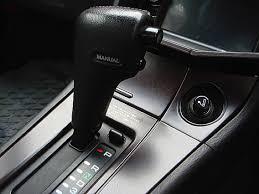
The automotive selector lever market focuses on components that allow drivers to select and control vehicle transmission modes such as park, reverse, neutral, drive, and manual settings. Selector levers act as a key interface between the driver and the transmission system, translating physical input into mechanical or electronic commands. Over time, selector levers have evolved from simple mechanical shifters to sophisticated electronic-by-wire systems integrated with vehicle software and safety mechanisms. They are widely used across passenger cars, commercial vehicles, and electric vehicles, playing an important role in driving control, safety, and overall cabin experience.
Market Drivers
The market is driven by the continuous evolution of vehicle transmission technologies and interior design trends. Growing adoption of automatic and semi-automatic transmissions has significantly increased the use of selector levers across global vehicle production. Modern consumers expect smooth, effortless gear selection, which supports demand for refined and ergonomically designed selector levers. The rise of electric vehicles further accelerates market growth, as EVs rely on electronic selector levers integrated with drive-by-wire systems rather than mechanical linkages. Automakers are also focusing on enhancing interior aesthetics, using innovative selector lever designs to differentiate vehicle models and strengthen brand identity. Increasing safety regulations contribute as well, since selector levers are now closely linked with safety interlocks that prevent unintended gear shifts.
Market Challenges
Despite steady growth, the automotive selector lever market faces challenges related to system complexity, cost pressure, and reliability. Transition from mechanical to electronic selector levers increases dependence on sensors, control units, and software, raising development and validation requirements. Any malfunction in selector lever systems can directly impact vehicle safety and drivability, making reliability a critical concern. Automakers also impose strict cost targets, limiting design freedom and material choices, especially in mass-market vehicles. Ensuring compatibility of selector levers with different transmission architectures across vehicle platforms adds further complexity. Additionally, consumer adaptation to non-traditional selector designs may require intuitive interfaces to avoid confusion.
Market Opportunities
The market offers strong opportunities through innovation in electronic control and interior integration. Shift-by-wire technology allows flexible placement of selector levers, freeing up cabin space and enabling new interior layouts. Compact rotary dials, push-button selectors, and joystick-style controls are gaining popularity, especially in electric and premium vehicles. Integration of selector levers with vehicle software enables advanced safety features such as automatic park engagement and driver authentication. Growth of autonomous and semi-autonomous vehicles creates opportunities for selector levers that support seamless transition between manual and automated driving modes. Emerging automotive markets with rising adoption of automatic transmissions also present long-term growth potential.
Regional Insights
Regional demand for automotive selector levers varies based on transmission preferences, vehicle production, and technology adoption. Asia-Pacific dominates the market due to high vehicle manufacturing volumes in countries such as China, Japan, India, and South Korea. Rapid growth of automatic and electric vehicles in the region supports strong demand. Europe shows steady growth driven by premium vehicle production and adoption of advanced electronic selector systems. North America remains a significant market supported by widespread use of automatic transmissions and demand for comfort-oriented vehicle interiors. Latin America and the Middle East show moderate growth as automatic transmission penetration increases, while Africa remains an emerging market with gradual adoption.
Future Outlook
The future of the automotive selector lever market will be shaped by electrification, digitalization, and evolving vehicle interiors. Selector levers are expected to become increasingly electronic, compact, and software-controlled. Integration with vehicle operating systems will allow customizable user interfaces and adaptive behavior based on driving mode. As autonomous driving technologies advance, selector levers may transition from continuous-use controls to occasional interfaces for mode selection and override. Sustainability considerations may influence material choices, encouraging lightweight and recyclable components. Overall, selector levers will continue evolving as key elements linking driver intent with intelligent vehicle systems.
Conclusion
The automotive selector lever market remains an important segment within vehicle control and interior systems. Selector levers ensure safe and intuitive transmission control while contributing to cabin design and user experience. Although challenges related to cost, reliability, and technological transition exist, ongoing innovation continues to drive market growth. As vehicles move toward electrification, automation, and smarter interiors, automotive selector levers will remain essential interfaces supporting safe, efficient, and user-friendly driving experiences.
Explore more related automotive market research reports for deeper industry understanding:
Automotive Remote Diagnostics Market
Automotive Engine Encapsulation Market

 English
 Arabic
 French
 Spanish
 Portuguese
 Deutsch
 Turkish
 Dutch
Dutch
 Italiano
 Russian
 Romaian
 Greek
Greek
