


The Role of Cold Chain Infrastructure in Reducing Product Loss
Introduction
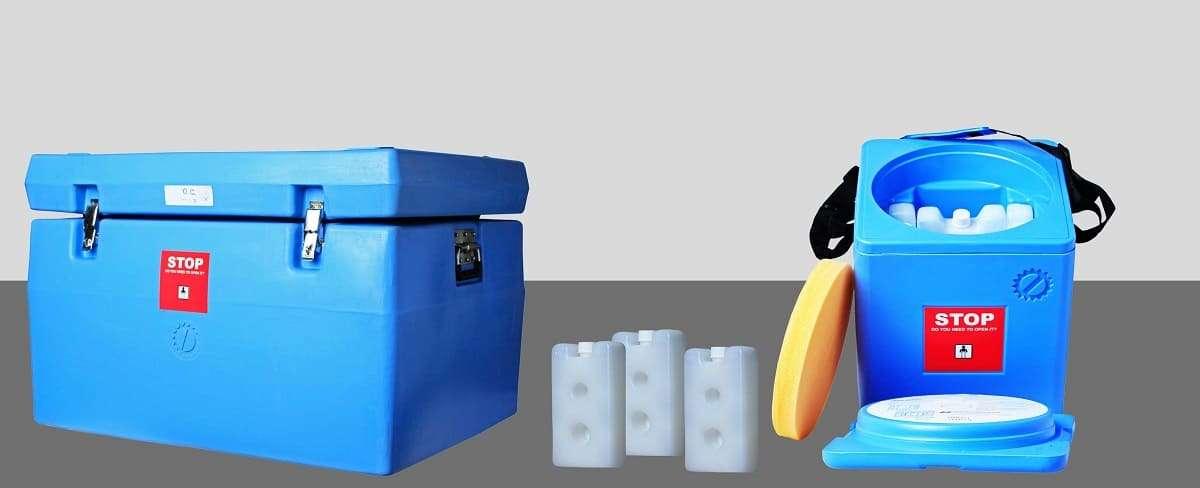
The Cold Chain Equipment Market is a critical component of global supply chains, enabling the safe storage, transportation, and distribution of temperature-sensitive products across industries such as food and beverages, pharmaceuticals, biotechnology, chemicals, and agriculture. Cold chain equipment includes refrigeration systems, cold storage warehouses, refrigerated transport units, freezers, chillers, insulated containers, and monitoring devices designed to maintain controlled temperature conditions from production to end use. Effective cold chain infrastructure minimizes spoilage, preserves product quality, ensures regulatory compliance, and reduces economic losses. As global trade expands, consumer demand for fresh and frozen products rises, and pharmaceutical distribution becomes increasingly complex, the importance of reliable cold chain equipment continues to grow worldwide.
Market Drivers
One of the primary drivers of the Cold Chain Equipment Market is the rapid growth of the food and beverage industry, particularly the rising demand for fresh produce, frozen foods, dairy products, meat, and seafood. Urbanization, changing lifestyles, and increasing consumption of ready-to-eat and processed foods have intensified the need for robust cold storage and refrigerated logistics. Another major driver is the expansion of the pharmaceutical and healthcare sectors. Vaccines, biologics, blood products, and temperature-sensitive medicines require precise cold chain management to maintain efficacy and safety, significantly boosting demand for advanced refrigeration and monitoring equipment.
Globalization of trade further supports market growth, as perishable goods are transported over longer distances, increasing reliance on temperature-controlled logistics. Stringent food safety and pharmaceutical regulations also play a key role, as governments mandate strict temperature control, traceability, and compliance across supply chains. Additionally, the rise of e-commerce and online grocery delivery services has created new demand for last-mile cold chain solutions, including compact refrigeration units and insulated packaging. Technological advancements in refrigeration efficiency and digital monitoring systems are also encouraging investment in modern cold chain infrastructure.
Market Challenges
Despite strong growth prospects, the Cold Chain Equipment Market faces several challenges. High capital and operating costs associated with cold storage facilities and refrigerated transport can be a barrier, particularly for small and medium-sized enterprises. Energy consumption is a major concern, as refrigeration systems require continuous power, leading to high electricity costs and environmental impact. In regions with unreliable power supply, maintaining consistent temperature control becomes difficult, increasing risk of spoilage and losses.
Infrastructure gaps in developing regions pose another challenge, as limited cold storage capacity and poor transportation networks restrict cold chain expansion. Skilled workforce shortages can affect equipment installation, maintenance, and operation, impacting efficiency and reliability. Additionally, refrigerant regulations and environmental policies are becoming stricter, requiring transition to low-global-warming-potential refrigerants, which may increase system costs and require equipment upgrades. Equipment failure, inadequate monitoring, and lack of standardized practices can also compromise cold chain integrity and product safety.
Market Opportunities
The Cold Chain Equipment Market presents significant opportunities driven by innovation and sustainability initiatives. Development of energy-efficient refrigeration systems and adoption of renewable energy-powered cold storage facilities can reduce operating costs and environmental impact. Smart cold chain solutions incorporating sensors, IoT-enabled monitoring, and real-time data analytics are improving visibility, traceability, and predictive maintenance across supply chains. These technologies help prevent temperature excursions, reduce waste, and enhance compliance.
Growth of pharmaceutical manufacturing and vaccine distribution in emerging economies offers substantial opportunities for cold chain equipment providers. Expansion of organized retail, supermarkets, and food processing industries in developing regions is increasing demand for modern cold storage and refrigeration solutions. Modular and scalable cold storage facilities provide flexible options for businesses with variable storage needs. Additionally, investment in cold chain infrastructure to reduce post-harvest losses in agriculture creates opportunities for rural cold storage and mobile refrigeration units. As sustainability becomes a priority, recyclable insulation materials and eco-friendly refrigerants are expected to gain traction.
Regional Insights
Asia-Pacific holds a significant share of the Cold Chain Equipment Market due to rapid population growth, urbanization, expanding food consumption, and increasing pharmaceutical production. Countries in this region are investing heavily in cold storage infrastructure to support food security and healthcare needs. North America represents a mature market driven by advanced logistics networks, strong pharmaceutical distribution, and high adoption of automation and digital monitoring technologies. Europe plays an important role, supported by stringent food safety regulations, sustainable refrigeration initiatives, and well-developed cold chain logistics.
The Middle East is an emerging market, driven by food import dependence, pharmaceutical expansion, and investment in modern logistics hubs. Latin America shows steady growth as agriculture exports, meat processing, and retail modernization increase demand for cold storage solutions. Africa presents long-term potential as governments and private players invest in cold chain infrastructure to reduce food waste, improve healthcare delivery, and support agricultural development.
Future Outlook
The future outlook for the Cold Chain Equipment Market is highly positive, supported by rising demand for temperature-sensitive products and increasing focus on supply chain resilience. Demand is expected to grow steadily as food consumption patterns evolve, pharmaceutical distribution expands, and global trade intensifies. Technological advancements will focus on automation, digital monitoring, and energy-efficient refrigeration systems. Sustainability will remain a key theme, influencing refrigerant selection, insulation materials, and power management solutions. Integration of cold chain equipment with data-driven supply chain platforms will further enhance efficiency and transparency. As businesses and governments prioritize food safety, healthcare reliability, and waste reduction, investment in cold chain equipment is set to increase significantly.
Conclusion
The Cold Chain Equipment Market is a vital enabler of modern food, pharmaceutical, and healthcare supply chains, ensuring product quality, safety, and regulatory compliance. Driven by growing demand for fresh and frozen foods, expanding pharmaceutical distribution, and globalization of trade, the market continues to expand across regions. While challenges related to cost, energy consumption, and infrastructure gaps persist, innovation in smart and sustainable cold chain solutions is addressing these issues. With increasing emphasis on reducing spoilage, improving health outcomes, and strengthening supply chain resilience, cold chain equipment will remain an essential component of global logistics and distribution systems.

 English
 Arabic
 Spanish
 Portuguese
 Deutsch
 Turkish
 Dutch
Dutch
 Italiano
 Russian
 Romaian
 Portuguese (Brazil)
 Greek
Greek
