


Redefining High-Voltage Transmission Systems
Introduction
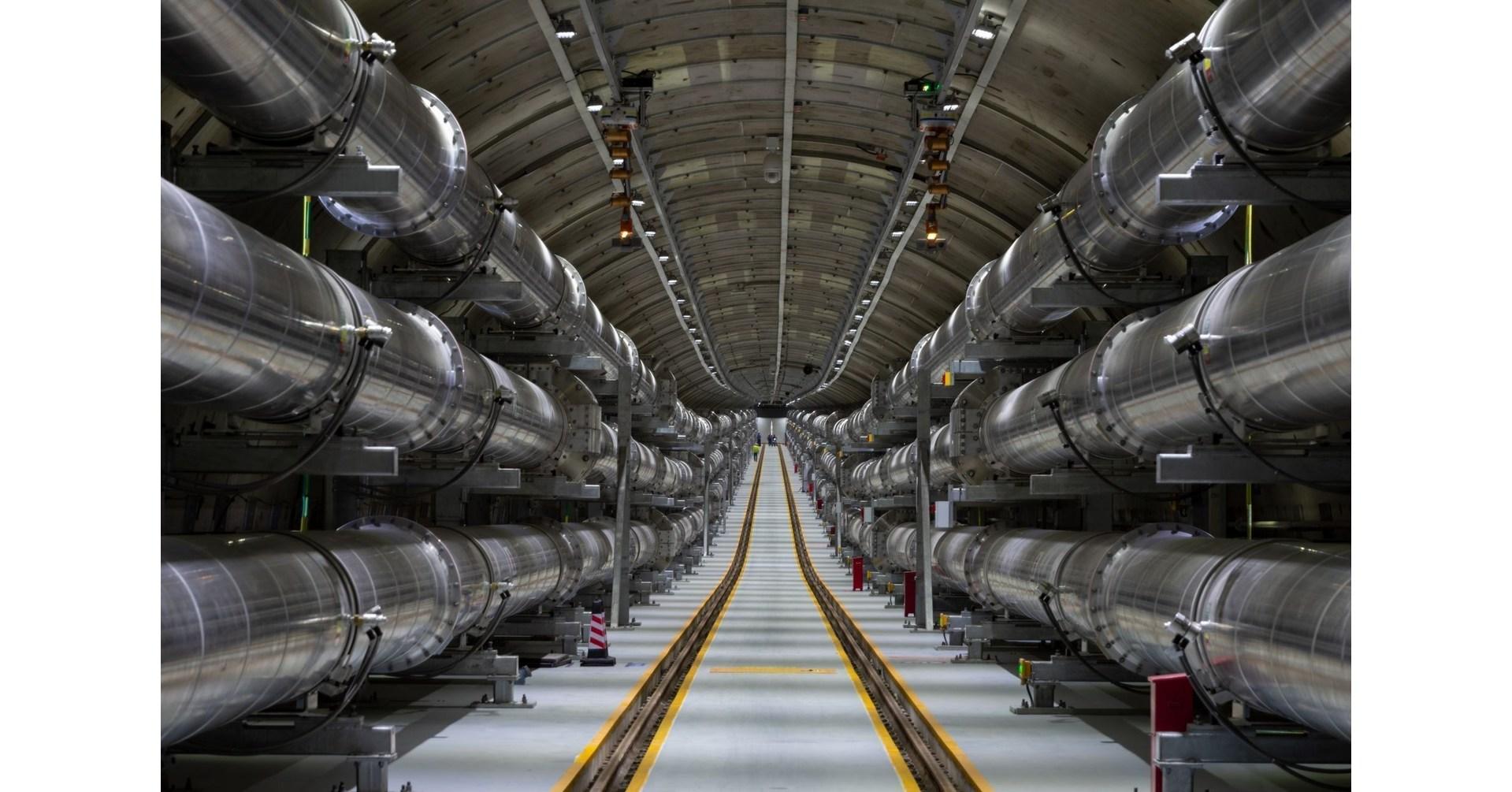
The gas insulated transmission line market focuses on advanced power transmission systems that use gas insulation, typically sulfur hexafluoride or alternative gas mixtures, to transmit electricity in compact and highly reliable enclosures. Gas insulated transmission lines are designed to carry high-voltage power through enclosed metallic tubes filled with insulating gas, allowing safe and efficient transmission even in space-constrained or environmentally sensitive areas. These systems are increasingly used in urban infrastructure, underground installations, tunnels, industrial plants, and complex power networks where traditional overhead lines or conventional cable systems are not feasible. As power demand rises and grid infrastructure becomes more complex, gas insulated transmission lines are gaining importance as a modern solution for high-capacity electricity transmission.
Market Drivers
The market is driven by growing demand for reliable and compact power transmission solutions in densely populated and industrialized regions. Rapid urbanization has increased pressure on available land, making overhead transmission lines difficult to deploy due to space limitations and visual impact concerns. Gas insulated transmission lines address this challenge by offering high power density in a compact footprint, enabling underground or indoor installations. Expansion of renewable energy generation and interconnection of power grids further supports market growth, as reliable high-voltage transmission is essential for transporting electricity from generation sites to consumption centers. Increasing investments in smart cities, metro rail systems, and large infrastructure projects also drive demand for advanced transmission technologies that ensure safety and continuity of power supply.
Market Challenges
Despite their advantages, gas insulated transmission lines face challenges related to cost, installation complexity, and environmental considerations. These systems typically require higher upfront investment compared to conventional transmission solutions due to specialized materials, precision manufacturing, and installation requirements. Installation involves skilled labor and careful handling to ensure gas containment and system integrity, which can increase project timelines. Environmental concerns related to the use of sulfur hexafluoride, a potent greenhouse gas, have led to stricter regulations and the need for alternative insulating gases. Maintenance and monitoring of gas pressure and insulation performance also require specialized expertise, adding to operational complexity for utilities and operators.
Market Opportunities
The market offers strong opportunities through technological innovation and grid modernization initiatives. Development of eco-friendly insulating gas alternatives and gas mixtures is reducing environmental impact and supporting regulatory compliance. Growing adoption of underground transmission systems in urban areas presents significant opportunities for gas insulated transmission lines due to their compact design and high reliability. Expansion of industrial facilities, data centers, and transportation infrastructure creates demand for stable high-voltage power delivery in confined spaces. Retrofitting aging transmission infrastructure with modern gas insulated systems offers additional growth potential. Emerging economies investing in power infrastructure and urban development also represent long-term opportunities for market expansion.
Regional Insights
Regional demand for gas insulated transmission lines varies based on urban density, infrastructure development, and grid reliability requirements. Asia-Pacific dominates the market due to rapid urbanization, large-scale infrastructure projects, and growing electricity demand in countries such as China, Japan, and South Korea. These regions increasingly adopt compact transmission solutions to support expanding cities and industrial hubs. Europe represents a significant market driven by strict environmental regulations, grid modernization efforts, and widespread use of underground transmission systems. North America shows steady growth supported by upgrades to aging power infrastructure and increased demand for reliable power in urban and industrial areas. Other regions, including the Middle East and parts of Latin America, are emerging markets as power networks expand and modernization efforts increase.
Future Outlook
The future of the gas insulated transmission line market will be shaped by sustainability, reliability, and urban power requirements. Continued research into alternative insulating gases and improved sealing technologies is expected to reduce environmental impact and enhance system safety. Integration of digital monitoring and diagnostics will allow real-time performance tracking and predictive maintenance, improving operational efficiency. As power grids become more interconnected and demand higher transmission capacity, gas insulated transmission lines will play an important role in supporting resilient and flexible electricity networks. Increased adoption in renewable energy integration and smart infrastructure projects is likely to further strengthen market growth over the coming years.
Conclusion
The gas insulated transmission line market represents a key advancement in modern power transmission technology, offering compact, reliable, and high-capacity solutions for challenging environments. By enabling efficient electricity transmission in space-constrained and urban areas, these systems address critical infrastructure needs of evolving power networks. While challenges related to cost and environmental concerns exist, ongoing technological innovation and grid modernization efforts continue to drive market adoption. As global electricity demand rises and infrastructure complexity increases, gas insulated transmission lines are expected to remain an essential component of future-ready power transmission systems.
Explore more related automotive market research reports for deeper industry understanding:
Automotive 3D Map System Market

 English
 Arabic
 Spanish
 Portuguese
 Deutsch
 Turkish
 Dutch
Dutch
 Italiano
 Russian
 Romaian
 Portuguese (Brazil)
 Greek
Greek
